Opioid Overdose Surge Prompts Emergency Response in Windsor-Essex
An alarming spike in opioid overdoses has triggered an urgent community meeting in Windsor-Essex, as health officials warn of an increasingly toxic and unpredictable drug supply driving Ontario's overdose crisis. Between February 22 and February 28, emergency departments in the region recorded 19 overdoses, with 16 of those cases involving fentanyl, according to the Windsor-Essex County Health Unit.
Unprecedented Drug Seizures and Overdose Statistics
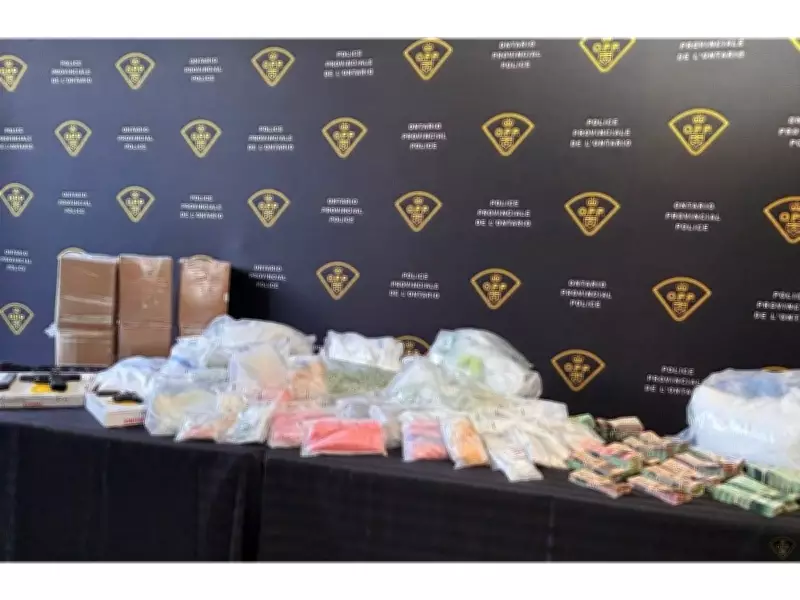
The crisis comes amid significant drug enforcement activity in the region. In September 2025, the Windsor Police Service and Ontario Provincial Police executed search warrants that resulted in the seizure of 46 kilograms of fentanyl—the largest amount of the narcotic ever confiscated in OPP history—along with weapons and other drugs. This massive seizure highlights the scale of the drug problem facing the community.
Local shelters have reported drastic increases in the number of overdoses they've responded to in recent days, prompting the health unit to issue a public alert and convene an urgent meeting of dozens of community partners on Tuesday afternoon. The meeting brought together hospitals, emergency medical services, police services, shelters, and treatment and harm reduction agencies to coordinate a response.

Toxic Drug Supply Poses Grave Dangers
Health officials have identified particularly dangerous characteristics in the current drug supply. Community partners report that some fentanyl appears as beige or brown substances with a dry, chunky texture. Users of these drugs have reported experiencing hallucinations and a very heavy nod, suggesting the presence of other depressants or contaminants.
Eric Nadalin, director of public health programs at the Windsor-Essex County Health Unit, explained the coordinated response through the Windsor Essex Community Opioid and Substance Strategy. "By taking these steps together, we can respond more effectively and help protect the people at greater risk," Nadalin stated. The strategy focuses on increasing community access to naloxone and drug test strips, sharing information about the drug supply, and working to better understand what substances people are using.
Provincial and National Context of the Crisis
The local situation reflects broader trends across Ontario and Canada. Recent provincial and national data show a growing mix of strong and dangerous substances in the drug supply, including synthetic opioids, benzodiazepines, tranquilizers, and other contaminants that significantly raise the risk of overdose. Drug checking services in large cities continue to find highly contaminated fentanyl, often mixed with medetomidine and xylazine, as well as other depressants.
The Office of the Chief Coroner for Ontario has reported 224 suspected drug-related deaths for January alone. In Windsor-Essex, emergency medical services received 77 calls for suspected opioid overdoses in March, representing a dramatic increase from 33 calls in January, according to the health unit's online opioid surveillance dashboard.
Safety Recommendations from Health Authorities
The Windsor-Essex County Health Unit has issued critical safety tips for those using opioids:
- Never use alone
- Try a very small amount first
- If you use with a friend, do not use at the exact same time
- Avoid mixing substances
- Call 911 immediately if something doesn't feel right
- Have naloxone ready and accessible
The health unit emphasizes that these precautions can save lives amid the current dangerous drug environment. The community-wide response aims to address both immediate overdose risks and longer-term strategies for substance use support and harm reduction.