Regina Plasma Clinic Under Scrutiny Following Health Canada Inspection
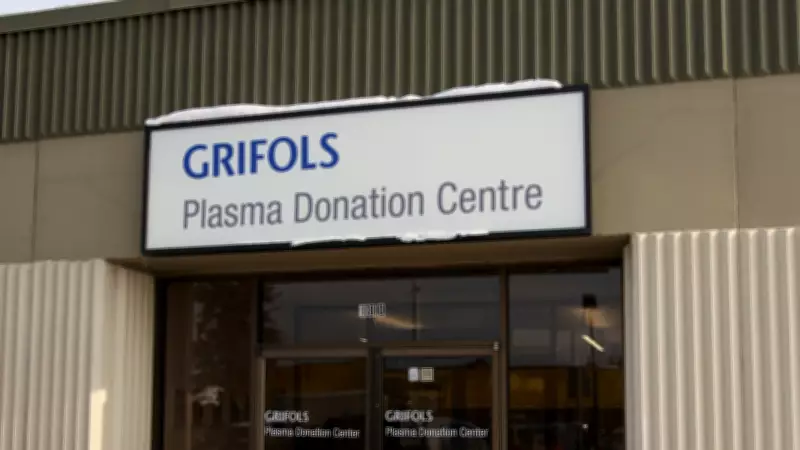
Health Canada has initiated a formal investigation into the Grifols Clinic in Regina after inspectors identified multiple areas of non-compliance during a routine assessment. The regulatory body discovered operational shortcomings that have prompted a deeper review of the facility's practices and procedures.
Details of the Compliance Investigation
The inspection, conducted recently by Health Canada officials, revealed several unspecified compliance issues at the plasma collection center. While specific details about the nature of the non-compliance have not been publicly disclosed, such investigations typically examine factors including sterilization protocols, donor screening processes, equipment maintenance, record-keeping practices, and overall facility management standards.
Plasma clinics play a critical role in Canada's healthcare system, collecting blood plasma that is processed into life-saving therapies for patients with immune deficiencies, bleeding disorders, and other medical conditions. These facilities operate under strict regulatory frameworks to ensure the safety of both donors and the eventual recipients of plasma-derived products.

Regulatory Framework and Potential Consequences
Health Canada regulates all establishments that collect blood and plasma through the Food and Drugs Act and related regulations. When non-compliance is identified, the agency typically requires corrective actions and may impose additional monitoring or, in serious cases, suspend operations until standards are met.
The investigation comes at a time when Canada faces ongoing challenges with plasma self-sufficiency, relying heavily on imported plasma products from the United States. Domestic collection centers like the Grifols Clinic in Regina contribute to reducing this dependency, making regulatory compliance particularly significant for maintaining public trust and ensuring a stable supply of these essential medical resources.
Broader Context and Community Impact
Plasma donation centers have become increasingly visible in communities across Canada as awareness grows about the importance of plasma-derived therapies. The Regina clinic, like similar facilities nationwide, depends on voluntary donors who provide plasma through a process called plasmapheresis, where blood is drawn, plasma separated, and remaining components returned to the donor.
While Health Canada has not indicated how long the investigation might take or what specific corrective measures might be required, such regulatory actions typically involve detailed follow-up inspections to verify that any identified issues have been properly addressed. The agency maintains authority to take enforcement actions ranging from warning letters to license suspension if compliance is not achieved.
The investigation highlights the ongoing importance of rigorous oversight in healthcare facilities that handle biological materials, particularly those involved in the collection of substances that will become pharmaceutical products. As the review progresses, both donors and healthcare providers will be watching closely for updates regarding the clinic's operational status and any required improvements to its practices.