HHS Secretary RFK Jr. Denies Role in Measles Resurgence Amid Vaccine Skepticism
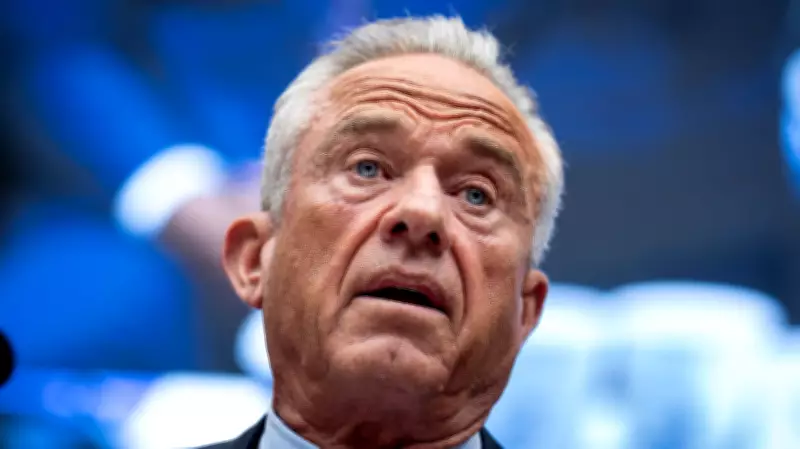
Health and Human Services Secretary Robert F. Kennedy Jr. testified before a House committee on Tuesday, where he repeatedly insisted he has never been anti-vaccine, despite his long history of spreading disinformation about vaccine safety. His claims came as Democrats grilled him over the resurgence of measles cases across the United States, which public health experts attribute in part to his influence.
Kennedy's Testimony and Democratic Pushback
During the hearing on President Donald Trump's 2027 budget request, Kennedy made nonsensical assertions to avoid accountability for the damage caused by his vaccine skepticism. He argued that his rhetoric has played no role in the measles outbreak, pointing to similar issues in Europe and blaming a "global epidemic." However, Democrats highlighted how his actions as the nation's top public health official have fueled distrust.
Representative Debbie Dingell, a Democrat from Michigan, shared a personal account of measles cases in her county, stating that families cited government guidance as their reason for not vaccinating. "I've met with the family of one of them. I said, 'Why didn't you get immunized?' They said, 'We're listening to our government. Our government tells us not to,'" Dingell fumed.

Impact on Public Health and Vaccine Policies
Kennedy has minimized the seriousness of measles outbreaks, emphasized personal choice over science, and made baseless claims about vaccine risks. Last year, he dismantled HHS's advisory committee on immunization practices, replacing members with anti-science skeptics who have since stripped recommendations for universal childhood vaccines.
Measles, declared eliminated in the U.S. in 2000, has seen thousands of cases in recent years, primarily among unvaccinated individuals. The disease is highly contagious and can lead to severe illness, hospitalization, and death, putting the U.S. at risk of losing its elimination status.
Expert Analysis and Broader Consequences
Dr. Amesh Adalja, an infectious disease specialist at Johns Hopkins Center for Health Security, refuted Kennedy's claims, noting there is no evidence of government lies about vaccine safety during COVID-19. Instead, Adalja pointed to anti-vaccine proponents like Kennedy capitalizing on public anger to drive their agenda. "The erosion of vaccine uptake in the U.S. has a lot to do with RFK Jr.'s and his affiliated organizations' rhetoric," Adalja said.
Representative Kim Schrier, a pediatrician and Democrat from Washington, raised concerns about parents refusing vitamin K shots for newborns due to Kennedy's influence, leading to life-threatening bleeding risks. She warned that his legacy could be as the HHS secretary who caused preventable deaths.
Political Implications and Continued Denials
Representative Marc Veasey, a Democrat from Texas, noted Kennedy's silence on vaccines in his written testimony and questioned if political pressure from the White House had muted his skepticism. When pressed on public opposition to his actions, Kennedy snapped, "I've never been anti-vaccine. Everything you've said is a lie."
This hearing underscores the ongoing conflict between public health science and political rhetoric, with Kennedy's role as a vaccine skeptic continuing to impact national health policies and outcomes.