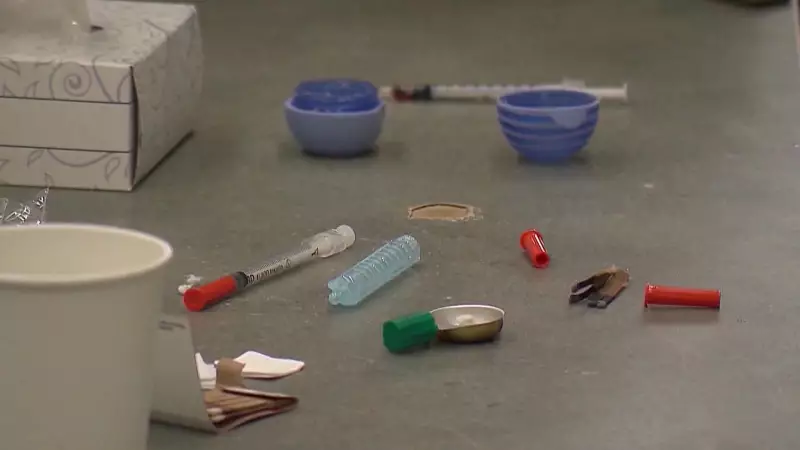
Health officials in Brantford and Brant County are sounding the alarm over a significant and troubling rise in drug poisonings within the community. The local health unit has issued a stark warning as data reveals an escalating crisis that is putting lives at risk.
A Concerning Upward Trend
The Brant County Health Unit (BCHU) has documented a clear and worrying increase in incidents related to toxic drug supplies. This surge represents a serious public health challenge for the region. While specific statistics from the latest report were not detailed in the initial bulletin, the health unit's public alert underscores the urgency of the situation. The trend aligns with broader patterns seen across Ontario and Canada, where the unregulated drug supply continues to become more unpredictable and dangerous.
Community Impact and Response
The rise in poisonings affects individuals, families, and frontline services throughout Brantford and the County of Brant. Emergency services, including paramedics and hospital staff, are facing increased pressure responding to these critical incidents. The health unit's warning serves as a crucial call to action for the entire community. It highlights the importance of harm reduction strategies, such as carrying naloxone kits, avoiding using drugs alone, and starting with a small test dose due to the unpredictable potency of street drugs.

Public health advocates stress that stigma remains a significant barrier to seeking help. They encourage community members to view substance use as a health issue, not a moral failing, to ensure those at risk feel safe accessing support and life-saving services.
Resources and Support Available
In response to the crisis, local agencies are reinforcing the availability of support. Naloxone, a medication that can temporarily reverse an opioid overdose, is widely available for free at many pharmacies and through public health. The BCHU and community partners likely offer training on how to use it.
Residents are urged to be aware of the following key steps if they suspect an overdose:
- Call 911 immediately.
- Administer naloxone if available.
- Stay with the person until emergency help arrives.
- Perform rescue breathing if the person is not breathing.
The situation in Brantford-Brant is a sobering reminder of the ongoing toxic drug crisis. It underscores the need for continued investment in harm reduction, treatment, and a compassionate public health approach to save lives. Community vigilance and access to resources are more critical than ever as health officials work to combat this deadly trend.