Calgary Tattoo Artists Decry Underground Operators After AHS Shuts Unlicensed Shop
Alberta Health Services recently closed a home-based tattoo business in northwest Calgary following an investigation that revealed significant sanitation deficiencies. The unlicensed operation, run by Joseph O'Hanlon, was shut down earlier this month after a public complaint prompted AHS to intervene.
Sanitation Violations and Lack of Licensing
The public health inspection report detailed that neither the client space nor the equipment met required sanitation standards. According to the report, the business owner had not notified AHS of the services being offered, as mandated by the Personal Services Regulation. The facility was ordered to close until standards could be met and proper notification submitted.
Joseph O'Hanlon declined to be interviewed but stated he had no plans to appeal the closure. AHS confirmed the closure resulted from an investigation triggered by a public complaint, noting that while the facility was unsanitary, the use of single-use disposable instruments reduced the risk of blood-borne transmission.
Regulatory Gaps in the Tattoo Industry
AHS sets health and safety regulations for the tattoo industry and conducts regular inspections, but there is no tattoo-specific regulatory board or standardized training requirements. This lack of oversight allows untrained individuals to enter the market, often operating from homes without proper protocols.
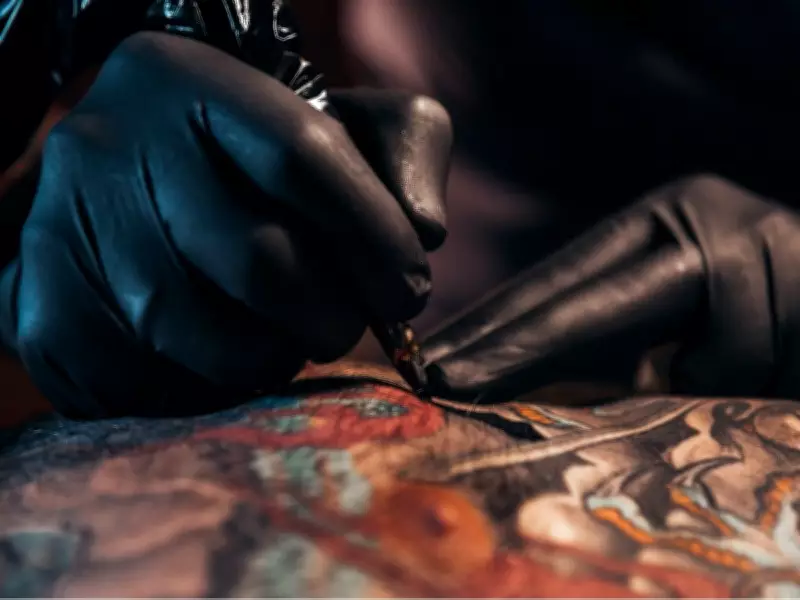
Emily Clare Briscoe, a tattoo artist and owner of Altar Tattoo, explained that most legitimate tattoo artists undergo lengthy apprenticeships and complete blood-borne pathogen courses to prevent cross-contamination. However, the absence of regulations enables what the industry calls "basement scratchers"—people who buy tattoo machines and offer services without adequate training.
Industry Concerns and Consumer Awareness
"It's a hot topic in the tattoo industry," Briscoe said. "There's not much we can do, other than just educate clients." She emphasized that tattooing involves permanent procedures with biohazards, requiring hospital-grade cleanliness to ensure safety.
Briscoe also noted that some established shops or artists might cut corners, placing responsibility on tattooers to conduct due diligence and on shop owners to vet new hires properly. The recent closure underscores the need for increased consumer awareness about the risks associated with unlicensed operators.
AHS stated that the business, operated from a rental property, had no client records, and the occupant no longer resides at the location. No public advisory is planned, but the incident highlights ongoing challenges in regulating the tattoo sector to protect public health.