Trump Signals Possible Postponement of China Visit Amid Middle East Conflict
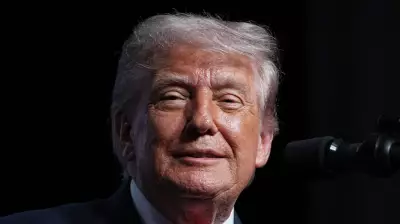
President Donald Trump has indicated he might delay his scheduled trip to China, a move that comes as the ongoing war in Iran continues to disrupt critical global shipping routes. The suggestion was made during recent remarks, sparking immediate speculation about its geopolitical implications, particularly regarding the strategic Strait of Hormuz.
Official Clarification: No Intent to Pressure Iran
However, a senior administration official, identified as Bessent, has swiftly moved to clarify the situation. Bessent emphasized that any potential delay in the China trip is not intended to exert pressure on Iran concerning the Strait of Hormuz. This waterway is a vital chokepoint for oil shipments, and its security has been a focal point amid the conflict.
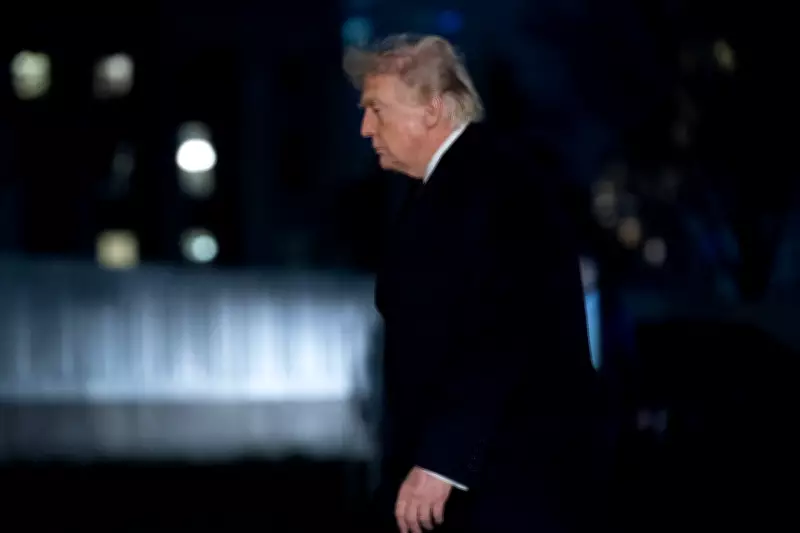
The timing of Trump's comments is notable, occurring just days after he returned to the White House, as captured in an AP photo on March 15, 2026. The war in Iran has already caused significant disruptions to maritime traffic, raising concerns about global energy supplies and economic stability.

Broader Context of International Diplomacy
This development unfolds against a backdrop of heightened diplomatic activity. Notably, other world leaders, such as Carney meeting with Starmer, are also addressing the fallout from the Iran war, which is impacting shipping lanes worldwide. The situation underscores the complex interplay between major powers like the United States and China during times of international crisis.
While the exact reasons for a possible delay remain unspecified, Bessent's statement aims to dispel notions that it is a tactical maneuver related to the Strait of Hormuz. Instead, it may reflect broader scheduling or strategic considerations in U.S.-China relations, which have been tense in recent years.
The announcement has drawn attention from analysts who monitor U.S. foreign policy, as any shift in Trump's travel plans could signal adjustments in diplomatic priorities. As the Iran conflict persists, with effects rippling through global trade, the international community watches closely for further developments that might influence geopolitical dynamics in the Middle East and beyond.