The head of the United Nations' health agency has issued a strong rebuttal to the United States' stated justifications for its formal withdrawal from the World Health Organization, labeling the criticisms as factually incorrect and expressing grave concerns for international safety.
WHO Director-General Challenges U.S. Narrative
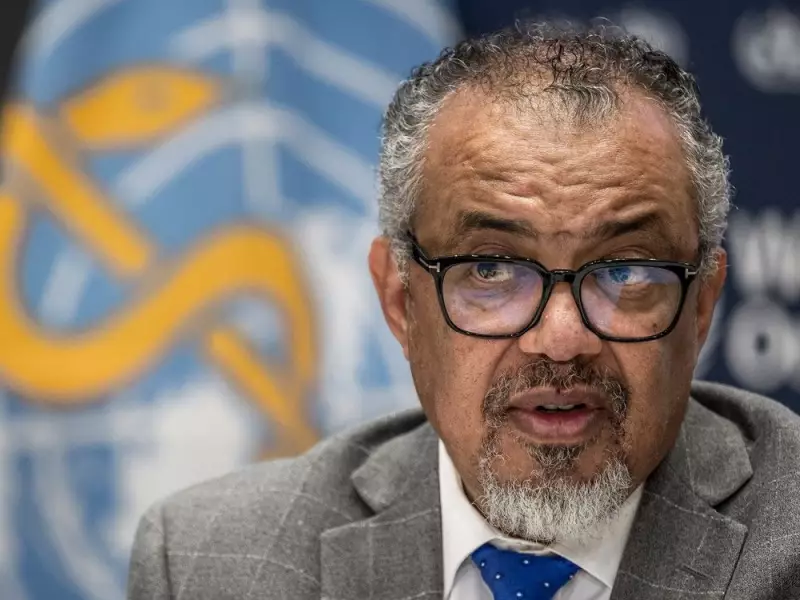
In a significant development over the weekend, WHO Director-General Tedros Adhanom Ghebreyesus publicly addressed the recent announcement from Washington regarding its departure from the global health body. Speaking on Saturday, Tedros directly contradicted the reasons provided by U.S. officials, stating unequivocally that the claims are "untrue." He emphasized that the WHO has consistently operated with respect for national sovereignty in all its engagements with member states, including the United States.
Safety Implications of the Withdrawal
The WHO chief delivered a stark warning about the consequences of this decision, asserting that the U.S. withdrawal "makes both the U.S. and the world less safe." This statement underscores the potential vulnerabilities in global health coordination and pandemic response capabilities that could arise from the absence of American participation in the international organization. The timing of this withdrawal, coming years after the initial COVID-19 pandemic, raises questions about future preparedness for health emergencies.

U.S. Officials' Accusations and WHO Response
The formal withdrawal was announced on Thursday by U.S. Secretary of State Marco Rubio and U.S. Health Secretary Robert F. Kennedy Jr. through a joint statement. They leveled serious allegations against the WHO, citing what they described as numerous "failures during the COVID-19 pandemic" and actions that "repeatedly" went against American interests. The officials went further, claiming the organization had "trashed and tarnished" the United States and compromised its independence.
The WHO responded with a firm denial of these accusations. In an official statement, the agency stated, "The reverse is true," and maintained that it has always sought to engage with the United States in good faith. The organization specifically rejected claims that its COVID-19 response had obstructed information sharing or concealed failures, calling these assertions baseless.
Broader Context and Implications
This confrontation highlights ongoing tensions between the United States and multilateral institutions regarding pandemic management and global health governance. Secretary Kennedy expanded on the criticism in a social media post, suggesting the WHO bore responsibility for pandemic-related tragedies in the U.S., including deaths in nursing homes and economic damage from public health measures. However, the WHO has not yet confirmed the technical implementation of the withdrawal, leaving some procedural questions unanswered.
The exchange represents more than just diplomatic disagreement; it reflects fundamental differences in approaches to international cooperation during health crises. As the world continues to face emerging health threats, the absence of the United States from the WHO could reshape how global responses are coordinated and funded, potentially creating gaps in surveillance, research collaboration, and resource distribution that affect countries worldwide.