Why Allergy Season Could Be Particularly Bad in Winnipeg This Year
Winnipeg residents may face an especially challenging allergy season this year, according to experts. A combination of a mild winter and an early spring has created ideal conditions for high pollen counts, leading to more severe symptoms for those with seasonal allergies.
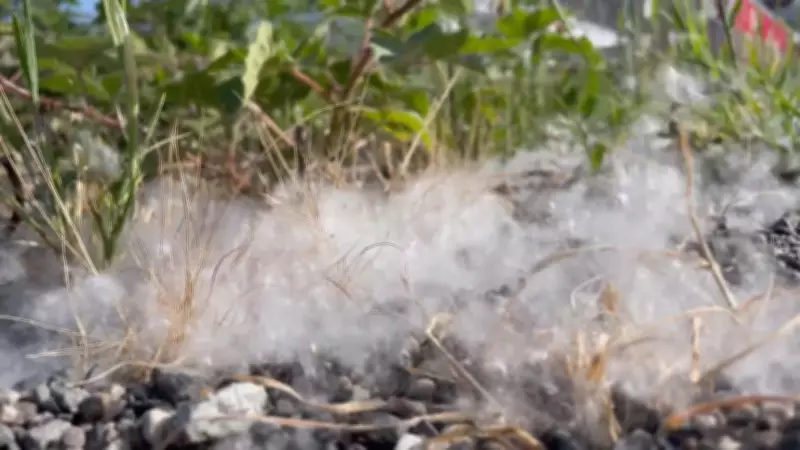
Poplar cotton, a common allergen, is already being seen in the city. The fluffy white seeds, which are released by poplar trees, can trigger allergic reactions in many people. The early onset of warm weather has accelerated the release of pollen, causing symptoms to appear earlier than usual.
Dr. Sarah Johnson, an allergist at Winnipeg Health Sciences Centre, explains that the prolonged mild weather has allowed plants to produce more pollen. “We’re seeing higher counts of tree pollen, especially from birch, maple, and poplar trees,” she says. “This means that people who are sensitive to these allergens may experience more intense symptoms.”

Allergy season typically peaks in May and June in Winnipeg, but this year, the season started in April. The early start could lead to a longer and more intense allergy season. Common symptoms include sneezing, runny nose, itchy eyes, and congestion. For some, it can worsen asthma or lead to sinus infections.
To manage symptoms, experts recommend starting allergy medications early, before symptoms become severe. Over-the-counter antihistamines, nasal sprays, and eye drops can help. It is also advisable to keep windows closed during high-pollen days and to shower after spending time outdoors to remove pollen from skin and hair.
The city’s tree population, which includes many pollen-producing species, contributes to the problem. Urban planning that includes more low-allergen trees could help reduce pollen levels in the future. However, for now, residents are advised to be proactive.
Winnipeg’s allergy season is also influenced by weather patterns. Rain can temporarily wash pollen out of the air, but dry, windy days can spread it more widely. Climate change may be playing a role, with warmer temperatures extending the growing season and increasing pollen production.
For those with severe allergies, consulting an allergist for personalized treatment plans, including immunotherapy, can provide long-term relief. As pollen counts continue to rise, staying informed about daily pollen forecasts can help people plan their activities.