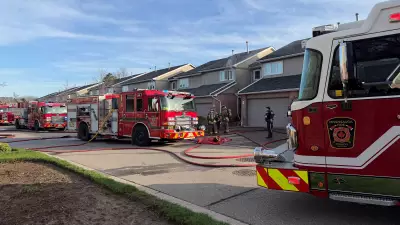
The tragic death of a woman on Vancouver Island has become a catalyst for urgent calls to bolster support systems for victims of domestic violence across British Columbia. The incident, which occurred recently, has highlighted the critical gaps in resources available to those fleeing abuse.
Growing Crisis and Overwhelmed Services
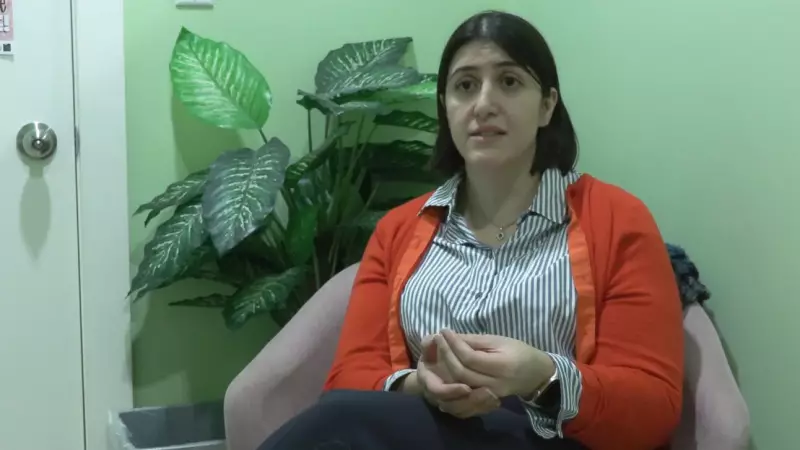
In the wake of this loss, frontline organizations are speaking out about the immense pressure they are under. Bahar Dehnadi, the executive director of the Victoria Women's Transition House (VWTH), has publicly stated that her team's caseload is growing at an alarming rate. This trend is not isolated, with shelters and support services across the province reporting similar increases in demand for safe housing, counseling, and crisis intervention.
The situation paints a stark picture of a system straining under the weight of a pervasive social issue. Advocates argue that while the need for services escalates, funding and resources have not kept pace, leaving vulnerable individuals at greater risk.

A Call for Systemic Change and Increased Funding
The woman's death has moved beyond a single tragedy to become a rallying point for systemic change. Community leaders and support workers are using this moment to push for concrete actions from provincial and municipal governments. Their demands are clear and multifaceted.
Key areas of focus include securing stable, long-term funding for emergency shelters and transition houses, expanding access to affordable housing for survivors, and improving coordination between law enforcement, healthcare providers, and social services. The goal is to create a more seamless and robust safety net that can intervene earlier and provide sustained support.
The Human Cost of Inadequate Support
Behind the statistics of growing caseloads are individual stories of fear and survival. Each number represents someone seeking a path to safety, often with children in tow. The recent death underscores the potentially fatal consequences when that path is blocked by a lack of available resources.
Advocates emphasize that domestic violence is a community-wide issue requiring a community-wide response. They are urging the public to recognize the signs of abuse and to support local organizations that provide lifelines to those in need. The push for stronger supports is not just about responding to crisis but about preventing future tragedies through proactive investment and societal awareness.
As the conversation gains momentum, the hope is that this profound loss will lead to meaningful policy shifts and increased protection for all British Columbians facing domestic violence.