Understanding Postpartum Hair Loss: A Personal and Medical Perspective
Among the many challenges that accompany pregnancy and the postpartum period, hair shedding stands out as a particularly distressing experience for many new mothers. This side effect, often overlooked in broader discussions, can have a profound impact on self-confidence and emotional well-being. In my own journey, the hair loss was severe enough that my hairstylist remarked it was the worst case they had ever seen, with an entire inch of hair disappearing from my hairline over several months.
The shedding persisted for nearly four months before gradual regrowth began, aided by a regimen of hair serums, oils, rosemary shampoos, and scalp massages. It took nearly two years to start feeling like myself again, with emergency bangs eventually growing out. To shed light on this common issue, I consulted Dr. Jessie Cheung, a board-certified cosmetic dermatologist with practices in New York and Illinois.
The Science Behind Postpartum Hair Loss
Dr. Cheung explained that postpartum hair loss is primarily caused by hormonal fluctuations following childbirth. "After delivery, there is a rapid drop in estrogen and progesterone levels, triggering a large percentage of hairs to enter the shedding phase," she said. This results in a synchronized and dramatic loss, as hair that was retained during pregnancy is released all at once.

While this type of hair loss is self-limited and follows a predictable timeline, Cheung noted that complete prevention is impossible because it represents a physiological reset. However, severity can be minimized through proper care. She emphasized the importance of a nutrient-rich diet, including adequate protein, vitamin D, zinc, and B vitamins, to support metabolic health and hair recovery.
Practical Strategies for Recovery
Cheung recommends adopting a gentle hair care routine to protect vulnerable follicles. "Avoid excessive tension, heat, or chemical stress during this phase," she advised. Typically, shedding peaks around three to four months postpartum, with improvement starting by six months and meaningful regrowth visible after a year. Initial regrowth may involve shorter, finer "baby hairs" along the hairline.
For those seeking additional support, in-office treatments like lasers, radio frequency, and microneedling can complement home care. Consistent use of red light therapy and targeted serums containing peptides, growth factors, and exosomes can help stimulate follicles. Based on Cheung's insights, here are some recommended products to aid in the regrowth process.

Recommended Products for Postpartum Hair Regrowth
- Vegamour Gro+ Advanced Hair Serum: Formulated with plant exosomes and Spanish microalgae, this dermatologist-developed serum promotes healthier growth and reduces shedding. Users report improved hair density and scalp hydration, with non-greasy application.
- Amazon Minoxidil Treatment: A budget-friendly topical solution recommended by Cheung for postpartum hair loss, with high ratings from nearly 8,000 shoppers.
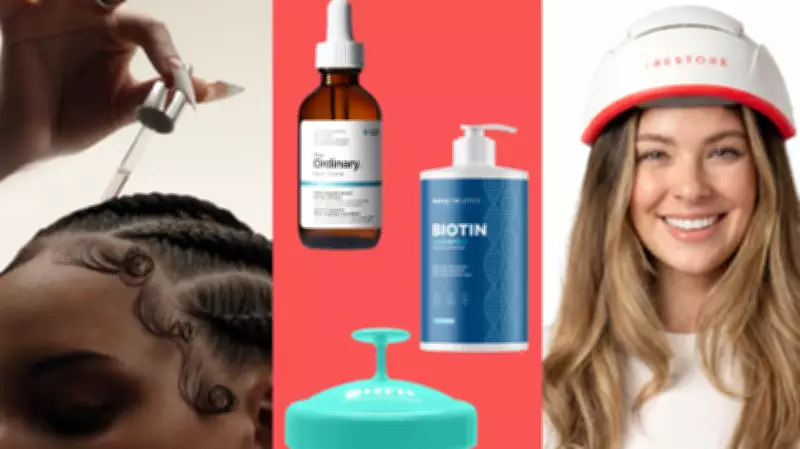
- The Ordinary Hair Density Serum: Featuring a concentrated peptide blend and plant extracts, this lightweight serum nourishes the scalp to support hair health.
- Mielle Rosemary Mint Clarifying Sugar Scrub: A soothing scalp scrub with rosemary oil, shea butter, and gentle exfoliants to create optimal conditions for hair growth.
- Maple Holistics Biotin Shampoo: Sulfate-free and infused with rosemary, tea tree oil, and argan oil, this shampoo aims to thicken hair and support scalp health.
- Viviscal Hair Growth Supplements: Clinically studied supplements with marine collagen, biotin, zinc, and vitamin C to nourish hair follicles.
- Higher Dose Red Light Hat: A hands-free device for at-home red light therapy, stimulating scalp health and regrowth with ten-minute sessions.
- Cécred Restorative Hair Drops
- iRestore Laser Treatment Helmet: An FDA-cleared device using lasers and LED lights to stimulate follicles, effective for various hair loss conditions.
- Silicone Scalp Massager: A tool to enhance blood flow and product absorption when used with other hair care strategies.
- Nizoral Ketoconazole Shampoo: An antifungal shampoo that helps keep hair follicles in the growth phase longer, with a gentle formula.
- Mary Ruth's Liquid Multivitamin: A supplement with biotin and silicon to support hair growth, though consultation with a doctor is advised before use.
Incorporating these products into a consistent routine can make the postpartum hair loss journey more manageable. As Cheung emphasized, patience and proper care are key to seeing those "little fuzzies" come in strong, ultimately restoring confidence and hair health.