In a significant expansion of its autonomous mobility offerings, Tesla has officially launched its robotaxi service in two major Texas metropolitan areas: Dallas and Houston. This rollout represents a pivotal moment for the electric vehicle manufacturer as it transitions its self-driving technology from testing phases into commercial operation for public use.
Strategic Expansion Across Texas
The decision to target Dallas and Houston aligns with Tesla's broader strategy to establish a strong presence in key urban centers across the United States. Both cities offer extensive road networks and growing populations, providing an ideal testing ground for the scalability and reliability of autonomous ride-hailing services. This expansion follows earlier pilot programs in select regions and demonstrates the company's confidence in its technology's readiness for broader adoption.
The Cybercab: Tesla's Autonomous Workhorse
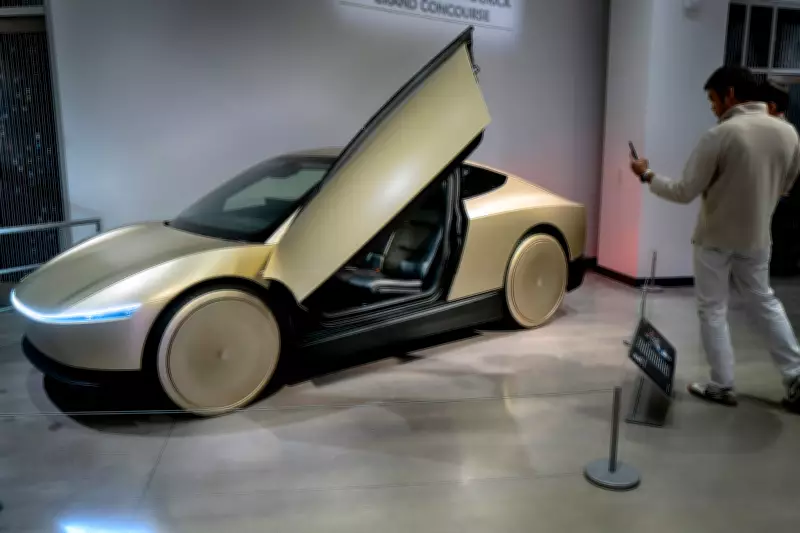
The service utilizes Tesla's purpose-built autonomous vehicle, commonly referred to as the Cybercab or Robotaxi. This vehicle was previously showcased to the public at events such as its display at the Petersen Automotive Museum in Los Angeles in late 2024. Designed without traditional driver controls, the Cybercab embodies Tesla's vision for a fully autonomous future, aiming to reduce transportation costs and increase accessibility for urban residents.

Operational Details and Safety Protocols
Initial reports indicate that the service will operate similarly to existing ride-hailing platforms, allowing users to summon a vehicle via a mobile application. Tesla has implemented rigorous safety protocols, including remote monitoring capabilities and advanced sensor suites to navigate complex urban environments. The company emphasizes that its autonomous systems have undergone extensive validation through millions of miles of simulated and real-world testing to ensure passenger safety and regulatory compliance.
Market Implications and Competitive Landscape
This expansion intensifies competition in the rapidly evolving autonomous vehicle sector. Tesla joins other technology and automotive companies investing heavily in self-driving technology, though its direct-to-consumer approach and integrated manufacturing capabilities may offer distinct advantages. The success of this Texas rollout could influence future expansion plans to other cities nationally and internationally, potentially reshaping urban transportation ecosystems.
Public and Regulatory Reception
Local authorities in Dallas and Houston have collaborated with Tesla to facilitate the service launch, addressing infrastructure and regulatory considerations. While some community groups have expressed cautious optimism about the technology's potential to reduce traffic congestion and emissions, others highlight ongoing concerns regarding data privacy, cybersecurity, and the long-term impact on professional driving jobs. Regulatory frameworks continue to evolve to accommodate these new technologies while prioritizing public safety.
The expansion underscores Tesla's commitment to advancing autonomous mobility and signals a new phase in the commercialization of self-driving vehicles. As the service becomes operational, further data on user adoption, safety performance, and economic viability will be closely monitored by industry analysts, policymakers, and the public alike.