British Columbia's Hot Pot Revolution: How Restaurants Like Big Way Are Redefining Tradition
A culinary transformation is underway across British Columbia as a new generation of restaurants reimagines the traditional hot pot experience. From fast-casual build-your-own bowl concepts to theatrical dining presentations, these establishments are pushing the boundaries of what hot pot can be while maintaining its essential communal spirit.
The Traditional Foundation
Hot pot represents more than just a meal—it's a distinctive dining style where participants cook their own ingredients in simmering broth at the table. This interactive experience typically involves thin slices of beef, fresh seafood, tofu, mushrooms, noodles, and various greens that diners swish through bubbling soup before dipping in flavorful sauces. The result combines elements of soup, fondue, and social gathering, with everyone gathered around the shared heat source.
Kirby Ip, a Vancouver-based influencer with over 400,000 Instagram followers at @eatingwithkirby, describes herself as a "hot pot fanatic" who grew up with Vancouver's traditional hot pot restaurants. "It's similar to dim sum, where food keeps arriving throughout the meal," Ip explains. "These dining sessions can extend for hours as participants help each other add ingredients, serve elders as a sign of respect, and maintain continuous conversation and socialization."

Traditional establishments like Landmark Hotpot House on Cambie Street, which opened in the late 1980s, emerged during a period when significant numbers of Hong Kong immigrants settled in Vancouver before the 1997 handover. These early restaurants typically featured seafood-heavy, Cantonese-style hot pot. The 2000s and 2010s saw the introduction of more regional variations, including spicy Chongqing and Sichuan styles, along with expansive buffet-style restaurants, particularly concentrated in Richmond.
The New Generation Emerges
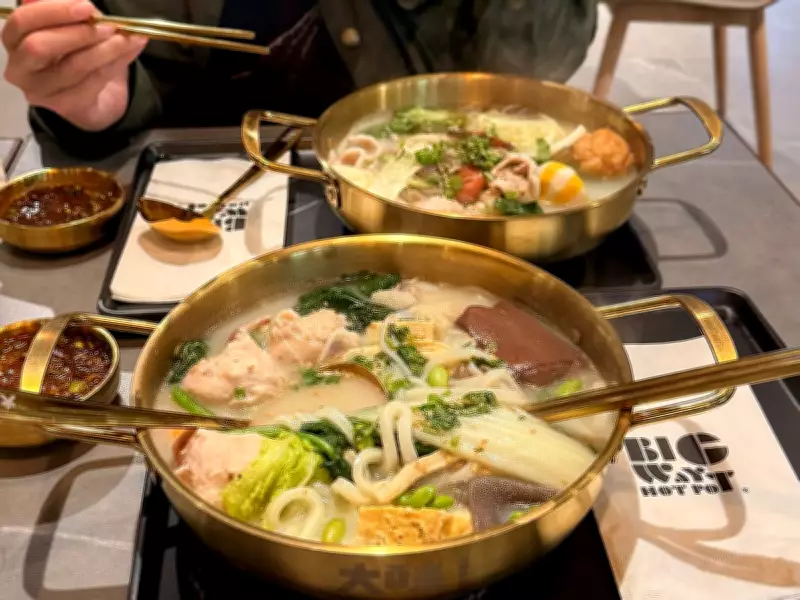
Now, innovative restaurants are taking the format in entirely new directions. One of the most prominent success stories is Big Way, a Richmond-based chain that has revolutionized hot pot accessibility. Their concept allows diners to build custom bowls from extensive ingredient walls before selecting their preferred broth. The kitchen then prepares the complete pot, serving it ready to eat—a significantly faster and more casual approach than traditional tabletop cooking.
"In Vancouver, Big Way pioneered the concept of making hot pot more affordable and accessible to broader demographics," notes Ip. "Some traditionalists might argue it's not authentic hot pot since it lacks the continuous flame, but they've reimagined the term to mean unlimited toppings—fresh vegetables, meats, carbohydrates, and everything between—with complete customer customization."
This innovative approach removes much of the traditional social pressure, making hot pot appealing to solo diners, small groups, and those seeking quicker meals without sacrificing quality or customization. The results speak for themselves: from its inaugural Burnaby location in 2021, Big Way has expanded to thirteen outlets across Metro Vancouver, including three 2025 openings in Brentwood, Olympic Village, and Langley Township, plus additional locations in Toronto/Scarborough and Los Angeles.
Beyond Fast-Casual Innovation
The hot pot evolution extends beyond quick-service models. Other establishments are exploring more theatrical dining experiences that elevate the traditional format through presentation, ambiance, and interactive elements. These venues maintain the communal essence while introducing novel approaches to ingredient selection, broth preparation, and dining atmosphere.
This diversification reflects broader trends in British Columbia's culinary landscape, where traditional ethnic cuisines are being reinterpreted for contemporary audiences. The hot pot transformation demonstrates how restaurants can honor culinary heritage while adapting to modern dining preferences, including faster service, greater customization, and varied social contexts.

As Ip observes, "The evolution of hot pot in British Columbia represents more than just changing restaurant concepts—it's about making a cherished cultural tradition accessible to everyone while preserving its essential spirit of shared enjoyment and culinary exploration."