Pastry Chefs Expose Dessert Menu Pitfalls
Pastries, pies, cookies, cakes, tarts, and sweet treats represent the delightful culmination of culinary science, a domain expertly mastered by pastry chefs. These professionals dedicate their careers to perfecting the art and science of baking, ensuring meals conclude on a sweet note. However, not all baked goods are crafted equally, and many are not made in-house by skilled hands. At numerous restaurants, coffee shops, and cafés, certain menu items raise red flags for pastry chefs, who advise caution before spending money on potentially disappointing choices.
The Corporate Kitchen Conundrum
Amelia Geist, pastry chef at The Lodge at Flathead Lake in Montana, highlights a common issue: "If the restaurant is part of a chain, I would determine that most of the desserts happen to be made in an off-site commercial kitchen." This practice allows corporate-owned establishments to serve as crowd-pleasers while maintaining consistency across locations, often resulting in a safe, ultra-traditional selection. Ricky Saucedo, executive pastry chef at Atlanta’s Pata Negra Mezcaleria, notes that menus featuring items like "a brownie on a plate, slice of cake, lonely crème brûlée, and maybe some whipped cream if they feel crazy" signal it's time to skip dessert. Additionally, cakes on display with perfectly uniform cut lines likely originate from wholesale bakeries specializing in resale.
Small Restaurant Challenges
Claudia Martinez, pastry chef for Michelin-starred Miller Union in Atlanta, points out that smaller, remote restaurants often lack in-house pastry chefs due to budget constraints, leading to outsourced desserts. Yet, not all signs of mass-produced pastries are obvious. To uncover the subtler warnings, we consulted six notable pastry chefs about their dessert menu red flags and why they'd avoid certain items. Here’s their expert insight.
Cheesecake: A Frozen Faux Pas
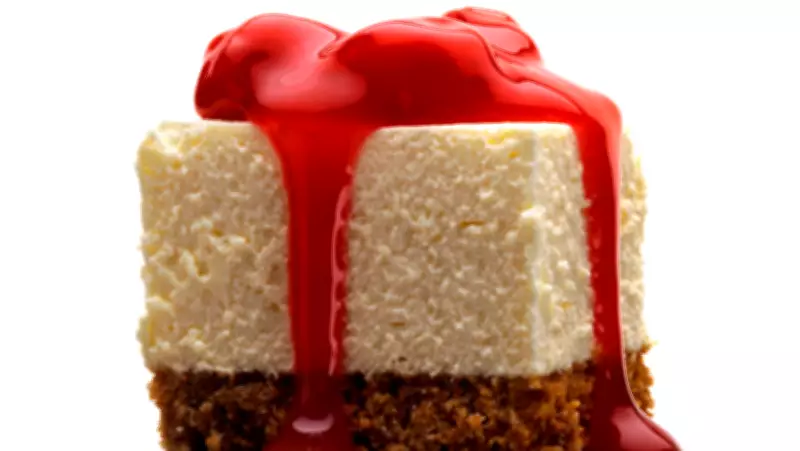
For Martinez, classic cheesecake often indicates a mass-market or tourist trap restaurant. Gus Castro, pastry chef for Foundation Social Eatery in Alpharetta, Georgia, recalls a telling experience: "I purchased a full [cake] and was told to wait at least two hours for it to defrost since they receive them frozen." This confirms it wasn't made fresh in-house. While upscale interpretations from pastry chefs can be tempting—Geist admits, "If the cheesecake is made in-house or by a local bakery, I have a hard time saying no!"—they're not foolproof. Saucedo shares cautionary tales: "During two different experiences, I was given a spoiled cheesecake, and they may have forgotten about the sugar in one of them!" leading to lasting distrust.
Crème Brûlée: A Powder-Based Letdown
Daniella Lea Rada, executive pastry chef for Signia by Hilton Atlanta’s dining outlets, firmly states, "Crème brûlée is one dessert I never order." She explains, "Most restaurants use powder base to make it, they use imitation vanilla to lower the cost and hide the fakeness of the powder base. Usually it’s overcooked and grainy, and never torched properly and 99% decorated with strawberries, which is so old-fashioned."
Brownies and Pies: Commercial Shortcuts
Geist avoids ordering brownies or pies from restaurants, noting, "These are some of the desserts that stand out to me as being made commercially instead of from scratch." She emphasizes that it's simple and cost-efficient to bake brownies at home for superior results, suggesting enhancements like extra chocolate chips or peanut butter. Instead, save restaurant dessert choices for more special or complex creations. Regarding pies, Geist warns, "Unless it’s listed on a menu as a seasonal special, they’re often commercially sourced because they’re great for restaurants to have on hand since they’re easy to store and keep fresh in the freezer." Castro adds that pies are often bought at low cost and upcharged significantly.
Molten Lava Cake: Cheap Chocolate Concerns
Lea Rada, passionate about chocolate, steers clear of molten lava cake due to quality issues: "It’s usually made with cheap chocolate with a high percentage of sugar." Carelys Vasquez, executive pastry chef for the Forth Hotel Atlanta, echoes this, noting, "They tend to taste of artificial flavor enhancers." Martinez criticizes their value, saying, "they’re nearly always mass produced and sold at high cost." Lea Rada advises paying attention to menu descriptions for rich chocolate desserts, as pastry chefs often highlight quality ingredients like cacao percentage.
Key Lime Pie and Flavor Fails
Vasquez avoids lemon meringue and cherry pie, as "those usually rely on flavor enhancer instead of real fruits." However, key lime pie draws the harshest criticism. Martinez dismisses it as "underwhelming, lacking in creativity, too sweet and usually frozen," while Lea Rada is repulsed by "soft crust, super sweet lime curd, and artificial essence." Geist simply advises, "it’s not something to choose if you want to eat products made fresh from scratch."
Poorly Garnished Desserts: Plating Pitfalls
Generic garnishes can reveal a dessert's commercial origins. Martinez reveals, "Whipped cream star piping with mint garnish, strawberries sliced like a rose … these are giveaways that the dessert may have been supplied by a commercial baker." Such lackluster plating suggests a lack of professional expertise. Conversely, excessive garnishes also indicate inexperience. Castro notes, "Desserts I will never order will be the ones that clearly have too much sugar, like caramel, chocolate sauce, candy pieces … To enjoy the full experience of a meal, desserts need to be light and just sweet enough for people to actually finish them."
In summary, pastry chefs urge diners to scrutinize dessert menus for signs of mass production, from frozen items to artificial flavors, ensuring a sweet ending to any meal is truly worth the indulgence.