Vancouver's Enduring Love Affair with French Cuisine Explored
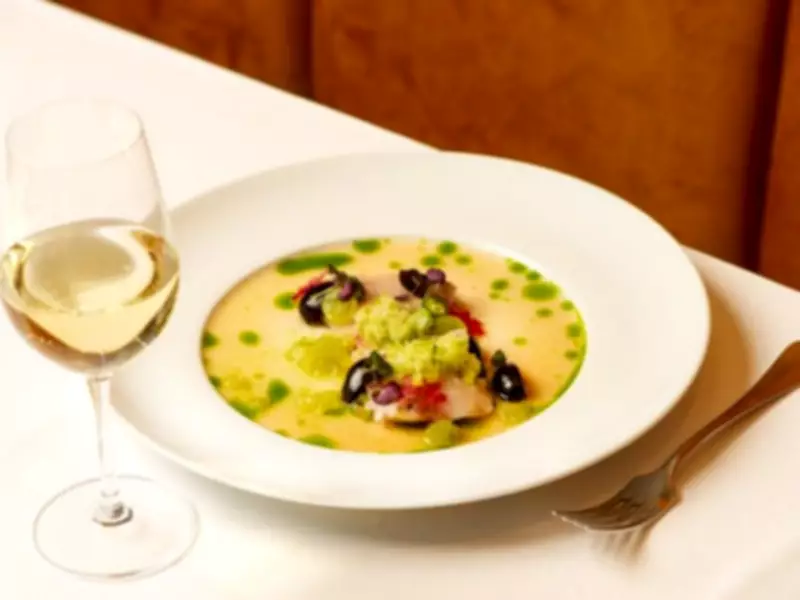
When discussing French cuisine in Vancouver, the conversation invariably leads to Le Crocodile. For over four decades, chef Michel Jacob helmed this Alsatian-inspired establishment, crafting an elegant and welcoming dining room that became a cornerstone for a discerning segment of Vancouver society.
A Culinary Homecoming
"Michel had quite a following," notes celebrated chef Rob Feenie, who assumed leadership after Jacob's retirement two years ago. "People knew what they were coming for, and he knew what his customers wanted." For Feenie, taking over such a beloved institution represented both a significant challenge and a heartfelt homecoming.
Long before opening the acclaimed Lumière in 1995, winning Iron Chef America in 2005, or becoming executive chef for Cactus Club Café in 2008, Feenie honed his skills at Le Crocodile. Many local chefs describe this experience as "like going to Harvard," underscoring the restaurant's profound influence on Vancouver's culinary landscape.

The Beguiling Power of French Cuisine
Much of Le Crocodile's enduring popularity stems from Jacob's gracious leadership and the talented team he assembled. Yet, the restaurant's success also highlights the irresistible allure of French cuisine itself. "I just love French food. It's not the richness, it's the comfort of it," Feenie explains.
As the Vancouver International Wine Festival returns for its 47th year with France as the theme region, this moment provides a perfect opportunity to examine Vancouver's evolving appreciation for French culinary traditions.
Noble Beginnings and Global Influence
French tradition permeates every aspect of modern restaurant culture, from the structured brigade kitchen hierarchy to established menu formats and foundational culinary techniques. The very existence of restaurants as we know them traces back to French history.
Before the French Revolution of 1789-1799, aristocracy enjoyed refined cuisine in palaces and châteaux, while commoners consumed humble fare at home or in communal inns. With the monarchy overthrown and nobility exiled or executed, their highly trained chefs needed new venues to practice their craft. Consequently, they established Paris's first restaurants, including Le Grand Véfour, Les Trois Frères Provençaux, and Méot.
Thus, for the first time, middle-class patrons could savor the same exquisite cuisine and attentive service previously reserved for nobility. Dining out rapidly transformed into an aspirational activity and became the epicenter of modern social life, not merely in Paris but across the globe.
Vancouver's Culinary Evolution
Despite this global influence, Vancouver initially wasn't recognized as a destination for sophisticated French dining. The city's early culinary scene featured taverns for everyday meals, steak and lobster for special occasions, and Chinese cuisine for those venturing to East Pender Street—particularly during Prohibition when establishments secretly served "cold tea."
Even today, Vancouver maintains stronger recognition for exceptional Asian cuisine and a distinctive fusion style blending Eastern and Western influences with farm-to-table principles. However, French culinary foundations continue to shape the city's dining experiences, demonstrating how classic techniques and traditions adapt within a diverse culinary environment.
The story of French cuisine in Vancouver reflects both historical reverence and contemporary adaptation, showcasing how foundational culinary traditions evolve while maintaining their essential character in a dynamic food scene.