Conquering the Creepy Crawlies: A Guide to Houseplant Pest Management
Bug infestations represent a frequent challenge in houseplant care, but with early detection, they can be easily managed. According to Martha Uniacke Breen, writing in March 2026, prevention and prompt action are key to safeguarding your indoor greenery.
The Inevitability of Pests in Indoor Gardening
Tara Soloway, founder of Plantd Life and a consultant in biophilia, emphasizes that pests are an unavoidable aspect of owning houseplants. "Pests are inevitable if you have houseplants," she notes. "They can enter your home through various means, such as on fruits from the market, so infestations are not necessarily a sign of neglect." These insects, including their larvae, typically suck plant juices or tunnel through tissues, leading to disfigurement, stunted growth, and potentially plant death if untreated.
Immediate Steps Upon Discovering an Infestation
If you notice pests, isolate the affected plant immediately to prevent spread. Early intervention often allows for full recovery with minimal leaf loss, whereas delay can endanger your entire collection. Here are the most common pests and their remedies:

- Fungus Gnats: These tiny flies resemble fruit flies and are more a nuisance than a threat. Use sticky traps placed in the soil for effective, low-tech eradication.
- Spider Mites: Visible as tiny mites or webs, they require a thorough hosing down in the shower or sink. If persistent, apply Safer's soap, an organic insecticide safe for children and pets.
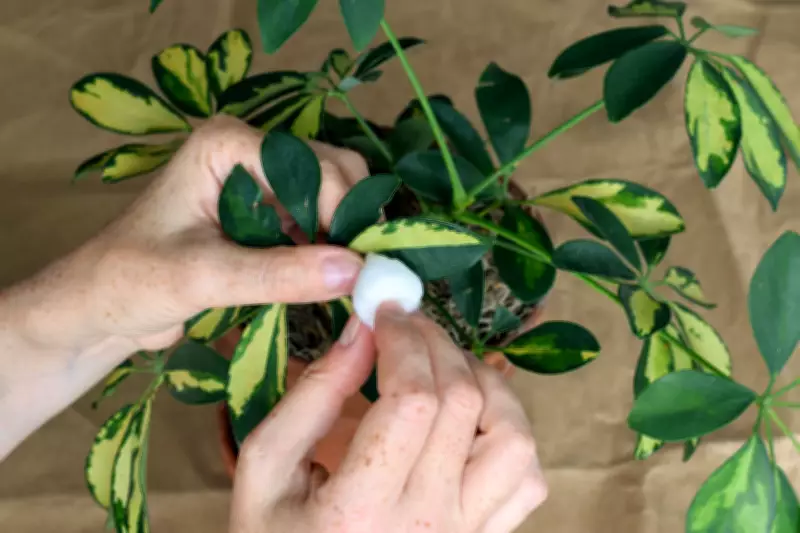
- Mealy Bugs: Identified by white cottony fluffs on plant joints, remove them with a Q-tip soaked in rubbing alcohol, repeating as needed.
- Thrips: Appearing as streaks or black dots on leaves, they distort growth; a shower treatment is the best initial remedy.
- Scale: Seen as brown domes on leaves or stems, manually pick them off with tweezers and follow up with Safer's soap if necessary.
Preventive Measures for Long-Term Plant Health
Tara advises that the best defense is prevention. Maintain good air circulation and proper humidity around plants. Regularly inspect your plants for early signs of trouble, and always examine new purchases carefully to avoid introducing pests. By staying vigilant and acting quickly, you can ensure your houseplants remain healthy and vibrant.