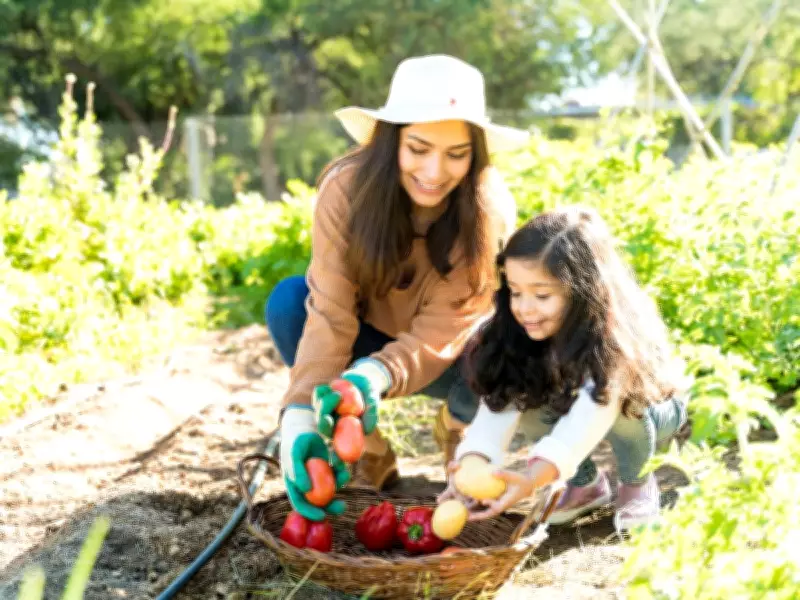
For families embarking on the rewarding journey of home vegetable cultivation, maximizing limited garden space while ensuring a bountiful harvest of nutritious produce presents a common challenge. Gardening columnist Helen Chesnat provides invaluable guidance for those seeking to enhance their self-sufficiency through strategic planting choices and innovative cultivation methods.
Selecting the Right Vegetables for Your Family
Chesnat emphasizes the importance of growing vegetables that your household will actually enjoy eating. This fundamental principle ensures that your gardening efforts translate directly to your dinner table. For those new to gardening, she recommends starting with varieties known for their ease of cultivation.
Beginner-Friendly Vegetable Options
Easy-to-grow vegetables that thrive in various conditions include peas, carrots, lettuce, green beans, kale, chard, and garlic. These resilient plants offer a forgiving introduction to gardening while providing substantial nutritional benefits.

Extending Your Harvest Season
To maintain a continuous supply of fresh produce throughout the growing season, Chesnat suggests incorporating vegetables with extended production periods. Summer squash, kale, tomatoes, chard, carrots, and beets can provide harvests over many weeks when properly maintained.
For leafy greens and bush beans, successive plantings spaced several weeks apart can create an ongoing harvest rather than a single large yield. This staggered approach to seeding ensures fresh vegetables are available throughout the season rather than all at once.
Preserving Nutritional Value
Certain vegetables lose nutritional potency rapidly after harvesting. Broccoli, spinach, and shelling peas are particularly sensitive in this regard. The advantage of home gardening lies in the ability to harvest these vegetables immediately before consumption, preserving their maximum health benefits.
Chesnat specifically recommends sprouting broccoli varieties, which produce small florets over several weeks rather than a single large head. By making both spring and summer plantings, gardeners can extend their broccoli harvest throughout much of the growing season.
Space-Saving Gardening Techniques
Vertical Gardening Methods
One of the most effective approaches to maximizing limited garden space involves growing plants vertically rather than horizontally. Chesnat utilizes sturdy wire supports for various vining plants:
- Shelling and snow pea vines
- Staked tomato plants
- Cucumber vines
- Pole and runner beans
- Small squash varieties
This vertical approach means these plants occupy only their "rootprint" at ground level, freeing up substantial space for additional plantings. Chesnat further maximizes this technique by planting lettuce and endive transplants at the base of vertical structures, effectively utilizing every inch of available space.
Block Planting Strategies
Another space-efficient method involves planting smaller vegetables in closely spaced blocks rather than traditional widely separated rows. Root vegetables and salad greens are particularly well-suited to this approach.
For practical access to the center of these plantings, Chesnat recommends keeping blocks no wider than 120 centimeters. This allows for easy maintenance and harvesting while maximizing planting density.
Foundational Soil Preparation
Regardless of which planting methods you choose, Chesnat stresses that proper soil preparation remains the cornerstone of gardening success. She advises dedicating sufficient time to incorporate nutritious compost and balanced, slow-release fertilizer into your garden plot before planting.
This foundational work creates the optimal growing environment for your vegetables, ensuring they receive the nutrients necessary for robust growth and abundant production throughout the season.
By combining thoughtful vegetable selection with space-efficient gardening techniques and proper soil preparation, even novice gardeners with limited space can develop productive vegetable gardens that contribute significantly to their household's fresh food supply.