Canadian gardeners seeking to shape a young maple tree or revive non-blooming irises have received clear, seasonal guidance from an expert. The advice, provided by gardening columnist Gerald Filipski, addresses two common yard problems with specific timing and technique recommendations crucial for success in Canada's climate.
The Right Time to Shape a Young Maple
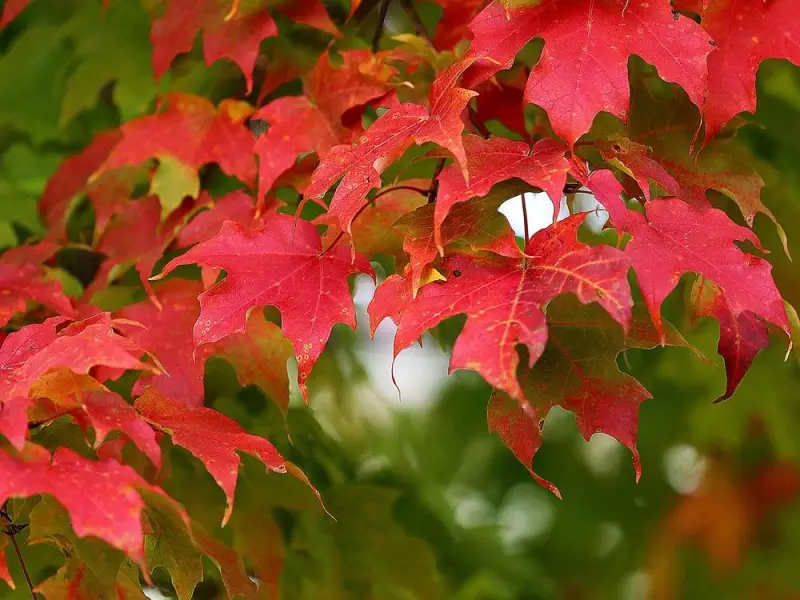
The optimal period for pruning a maple tree is in the spring, before the tree begins to bud out. This timing is critical for the tree's health and recovery. The question came from a gardener dealing with a volunteer maple that had grown to about three meters tall but resembled a large bush, requiring intervention to form a proper tree shape.
Filipski emphasizes that the pruning must be done carefully. The first step is to identify a central branch that appears larger and stronger than the surrounding ones; this will become the central leader. All competing branches surrounding this chosen leader should be removed. While some lower branches on the leader itself can be taken off, it's vital to leave enough leafy branches to sustain the plant. A conservative approach is recommended: remove no more than the bottom 60 centimeters of branches in the first year, with further shaping reserved for the following season.

Supporting the Tree's Structure
If the selected leader is leaning, support is necessary. The expert suggests either tying it directly to a single, strong stake placed in the middle of the tree or using several ropes attached to smaller stakes placed around the tree's perimeter. The single-stake method is preferred because it allows for correcting bends in multiple directions by tying the leader to the stake at several points.
Solving the Mystery of Non-Blooming Irises
The second issue involves irises that bloomed beautifully in the summer of 2024 but produced only foliage in the following summer. While several factors can cause irises to fail bloom, including inadequate sunlight (less than six hours daily), drought stress, damage from late frosts, or being a naturally irregular bloomer, the most likely culprit is planting too deep.
Bearded iris rhizomes must be planted with their tops at or slightly just below the soil surface. Covering them with mulch can also inhibit flowering. Filipski shares a personal anecdote about a wandering cat that mounded soil onto his irises, leading to a bloom-less season he didn't notice until it was too late.
When to Correct Planting Depth
While the ideal time to move or divide irises is in July or August after they have bloomed, an exception is made for plants suffering from deep planting. For irises not flowering due to being too deep, gardeners should raise them up as soon as the ground is workable in the spring. This proactive move can help ensure blooms in the coming season.
Filipski's column, Growing Things Outdoors, is published weekly online. Gardeners can learn more by emailing questions, reading past columns, or consulting his book, Just Ask Jerry.