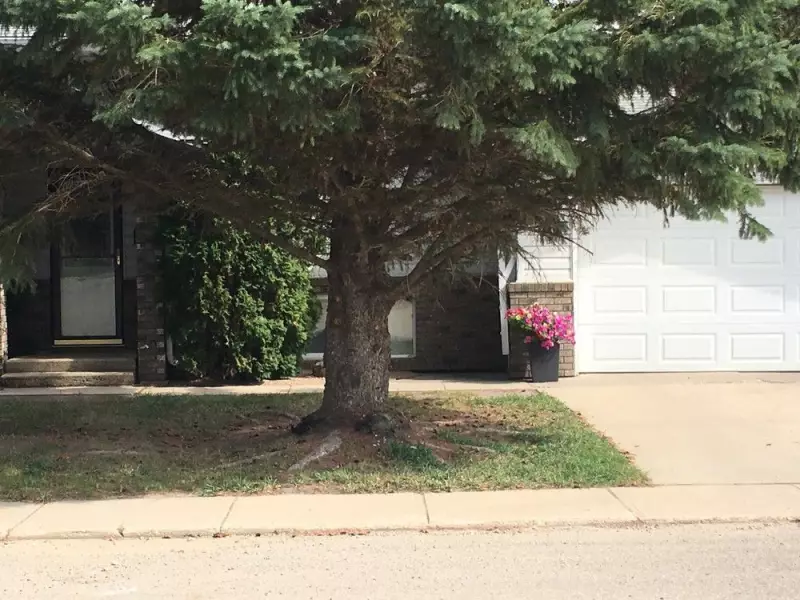
Many Canadian homeowners face the frustrating challenge of trying to grow grass under spruce trees, only to be met with bare patches and struggling lawns. According to gardening expert Gerald Filipski, this common problem ranks among the top ten questions he receives from gardeners across the country.
The Real Reasons Behind Failed Grass Growth
Contrary to popular belief, the primary issue isn't soil acidity from fallen needles. The main culprit is the spruce tree's extensive root system, which efficiently absorbs all available moisture from the surrounding soil. Grass plants, with their shallow root systems, simply can't compete for water against these thirsty evergreens.
As Filipski explains, "The spruce, with its extensive root system, is very good at sucking up every last bit of moisture in the area under and around the tree." This moisture competition becomes particularly problematic during hot summer months when water demands increase.

Why Acidic Soil Isn't the Main Problem
While it's true that soil beneath evergreen trees tends to be more acidic, this factor plays a secondary role in grass growth difficulties. Many gardeners mistakenly focus on soil pH adjustments when the real issue lies in moisture availability.
The combination of limited water, reduced sunlight, and nutrient competition creates an environment where grass cannot thrive. Even diligent watering and top dressing provide only temporary solutions, as the tree's roots continue to dominate the available resources.
Practical Solutions for Problem Areas
Filipski offers straightforward advice for homeowners struggling with this common landscaping issue: stop wasting time and money trying to grow grass where it naturally won't thrive. Instead, he recommends embracing alternative ground cover options that work better with spruce tree conditions.
The gardening expert suggests using decorative mulch as the most effective solution. "Laying down a decorative mulch is the best way to handle this problem area," he advises. Bark mulch proves particularly practical because falling spruce needles blend naturally into the material, maintaining a tidy appearance.
While stone mulch represents another option, Filipski notes that spruce needles tend to look untidy when scattered across stone surfaces, requiring more frequent maintenance.
For Canadian gardeners seeking more advice, Filipski continues to answer questions through his weekly Growing Things Outdoors column available online at edmontonjournal.com and in epaper format. Readers can also email specific gardening questions directly to filipskigerald@gmail.com or follow his updates on X (Twitter) @justaskjerry01.