After years of casually using parchment paper under the broiler, I must confess I only recently discovered this common practice poses a serious fire hazard. This revelation was both embarrassing and alarming, prompting a deeper investigation into other potentially dangerous kitchen habits that home cooks frequently overlook.
The Parchment Paper Peril
Parchment paper is typically heat-resistant up to approximately 420 degrees Fahrenheit, while most broilers can reach temperatures exceeding 500 degrees. This significant temperature gap means parchment paper can ignite when exposed to broiler heat, creating a substantial fire risk. Many home cooks remain unaware of this danger, potentially putting their kitchens at risk.
Important distinction: Parchment paper and wax paper may appear similar but serve different purposes. Wax paper is suitable for food preparation and storage but should never be used for cooking applications involving heat, as it will melt and could potentially ignite.

Expert-Identified Kitchen Safety Hazards
I consulted multiple kitchen safety experts to identify the most common and dangerous mistakes home cooks make regularly. Their insights reveal several surprising risks that could lead to serious injuries or kitchen fires.
1. Preparing Food with Wet Surfaces
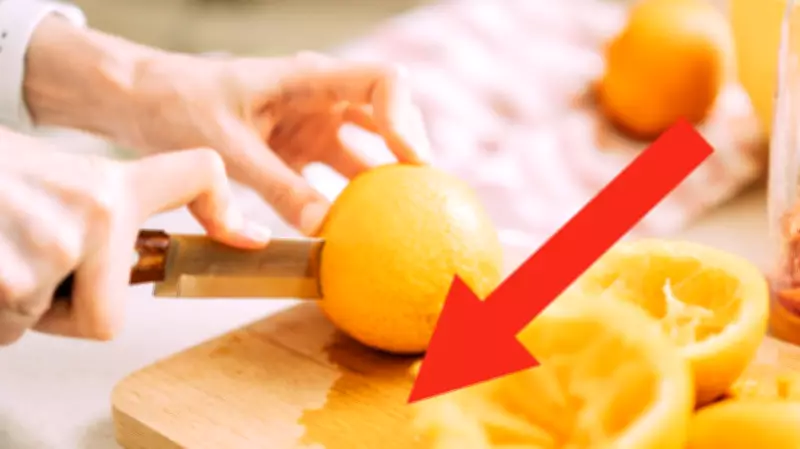
Los Angeles chef and culinary educator Mary Moran shared her personal experience with this hazard. "I received my worst kitchen injury while cutting apples that had been soaked in lemon water," she explained. "I was working quickly with wet hands on a damp cutting board, and the moisture caused my knife to slip. I sliced the tip of my finger and have a noticeable scar as a result."
To prevent similar accidents, experts recommend keeping clean dish towels or paper towels readily available to thoroughly dry hands, knives, cutting boards, and produce before beginning food preparation.
2. Leaving Cooking Equipment Unattended
Susan McKelvey, communications manager for the National Fire Protection Association, identified unattended cooking as the leading cause of home cooking fires. "This is why it's crucial not to leave the kitchen while cooking, particularly when using the stovetop for frying or other high-heat methods," she emphasized.
McKelvey acknowledged that following this advice can be challenging in busy households where multitasking is common. The NFPA recommends setting kitchen timers, regularly checking on baking or roasting dishes, and remaining in the house until cooking is complete.
Critical warning: Cooking while excessively tired, after consuming alcohol, or while using other substances can be extremely dangerous. "More than one-quarter of fatal cooking fire victims were asleep when the injury occurred," McKelvey revealed.
For kitchen fire emergencies, the NFPA advises immediately evacuating everyone, closing doors to contain flames, and calling emergency services. For small grease fires, cover the pan with a lid and turn off burners. For oven fires, turn off the appliance and keep the door closed.
3. Using Dull Kitchen Knives
Contrary to what many believe, dull knives present greater dangers than sharp ones. Mary Donaldson, food safety program educator at Michigan State University Extension, explained: "When blades aren't sharp, cooks must apply more force during cutting, increasing the risk of slips and serious injuries that may require medical attention."
"Properly sharpened knives transform even inexpensive blades into effective tools," Donaldson continued. "While sharp knives can still cause injuries, they require less effort and provide better control, with the blade doing the work rather than excessive force."
4. Placing Flammable Items Near Heat Sources
Another common kitchen safety oversight involves positioning combustible materials too close to cooking surfaces. "Items like dish towels, oven mitts, paper towels, and food packaging left near burners can easily ignite," McKelvey warned. "Combustible materials placed too close to hot cooking equipment represent a leading factor in home cooking fires."
Experts recommend maintaining clean, clutter-free cooking areas and avoiding loose clothing or unrestrained long hair while cooking.

5. Improper Knife Placement During Use
Where cooks place knives during food preparation creates another often-overlooked hazard. "Placing knives on the edges of cutting boards or counters creates danger not only for yourself but for everyone in your household," Moran cautioned.
Knives positioned where they can be accidentally knocked down may fall blade-first, potentially piercing clothing, shoes, or worse—feet. This risk explains why many professional chefs wear protective footwear with reinforced construction.
6. Soaking Sharp Kitchen Tools in Sinks
Submerging knives, pizza cutters, mandolins, or other bladed tools in soapy water creates hidden dangers. According to safety guidance from Primeaux Kitchen Knives, "Soaking poses a safety hazard, as submerged knives in soapy water are accidents waiting to happen."
Reaching into sinks where sharp objects may be concealed among dishes and suds can result in serious hand injuries requiring emergency medical care. Additionally, prolonged soaking can damage knife blades over time. Experts recommend hand-washing sharp tools immediately after use rather than letting them accumulate in sinks.
Creating a Safer Kitchen Environment
While eliminating every potential kitchen accident remains impossible, awareness of these common hazards significantly reduces risks. Implementing these safety practices—from proper knife handling to maintaining clear cooking areas—helps transform kitchens into safer spaces for home cooks and their families.
The journey from discovering the parchment paper broiler hazard to learning about these additional risks underscores how easily dangerous habits can become normalized in home kitchens. By sharing this expert knowledge, we hope to prevent injuries and fires, making cooking experiences safer and more enjoyable for everyone.