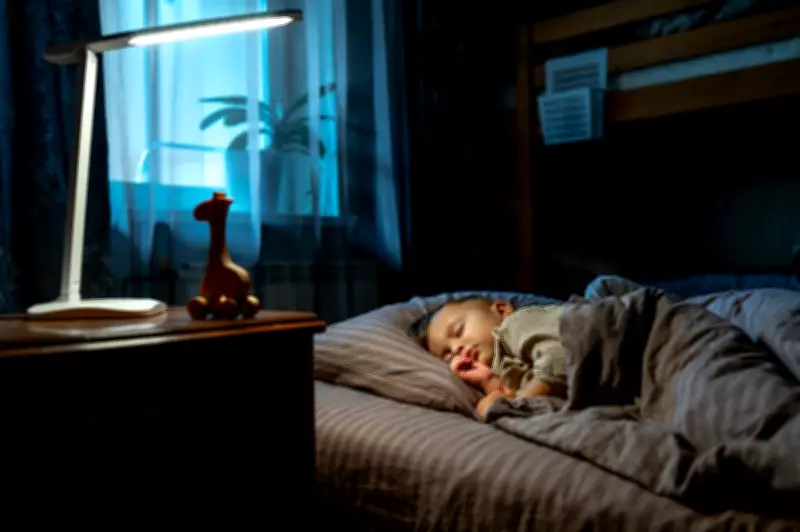
Family Sleep Struggles: Expert Advice for Better Rest When Kids Don't Sleep
When children struggle to sleep, the entire household feels the impact. Parents often find themselves exhausted, facing disrupted nights that affect daily functioning and family harmony. This widespread issue stems from a common misconception: many parents underestimate how much sleep their children actually require for healthy development.
The Ripple Effect of Childhood Sleep Deprivation
Sleep deprivation in children creates a cascade of challenges that extend far beyond the bedroom. When young ones don't get sufficient rest, they may experience mood swings, difficulty concentrating in school, and behavioral issues. Meanwhile, parents who wake frequently to attend to their children often sacrifice their own sleep, leading to fatigue that impacts work performance, parenting patience, and personal wellbeing. This creates a cycle where tired parents have less energy to establish and maintain effective sleep routines.
Understanding Age-Appropriate Sleep Requirements
Experts emphasize that sleep needs vary significantly by age. While adults typically require seven to nine hours nightly, children need substantially more. Preschoolers generally need 10-13 hours of sleep, including naps. School-aged children require 9-12 hours, and teenagers still need 8-10 hours for optimal health and development. Many families operate with schedules that don't accommodate these biological requirements, leading to chronic sleep deficits.

Practical Strategies for Better Family Sleep
Sleep specialists recommend several evidence-based approaches to improve sleep for the entire family:
- Establish Consistent Bedtime Routines: Create predictable wind-down activities that signal to children that sleep time is approaching. This might include reading, gentle music, or calming conversations.
- Optimize Sleep Environments: Ensure bedrooms are dark, quiet, and cool. Remove electronic devices that emit blue light, which can interfere with natural sleep cycles.
- Model Healthy Sleep Habits: When parents prioritize their own sleep and maintain consistent schedules, children are more likely to follow suit.
- Address Underlying Issues: Sometimes sleep difficulties stem from anxiety, medical conditions, or environmental factors that require professional assessment.
- Gradual Adjustments: When changing sleep schedules, make small adjustments of 15-30 minutes earlier each night rather than abrupt changes that can disrupt the entire household.
The Long-Term Benefits of Improved Sleep
Investing in better sleep yields dividends across multiple aspects of family life. Well-rested children demonstrate improved academic performance, better emotional regulation, and stronger immune systems. Parents who get adequate sleep report higher satisfaction in their parenting roles, better mental health, and increased energy for daily activities. The entire family dynamic benefits when everyone wakes refreshed and ready to face the day's challenges.
While implementing new sleep routines requires patience and consistency, the rewards make the effort worthwhile. Families who prioritize sleep often discover that many daytime struggles diminish as nighttime rest improves, creating a positive cycle that enhances overall quality of life.