Canada Updates Travel Advisory for Northern Japan Amid Bear Concerns
The Canadian government has officially updated its travel advice for citizens visiting Japan, specifically warning about increased bear activity in northern regions. This advisory comes as Japan experiences an unprecedented number of bear-related fatalities, with 13 confirmed deaths between April and November 5, 2025 - a significant increase from just five deaths during the same period last year.
Specific Regions and Safety Recommendations
On the official Travel.gc.ca website, the bear warning appears alongside other travel cautions about tensions on the Korean peninsula and crime rate increases. The advisory specifically mentions Akita, Niigata, and Hokkaido prefectures as areas of concern where bears have been increasingly sighted in urban environments, including popular resorts and hiking trails.
The Canadian government provides clear safety instructions for travelers: Always maintain awareness of your surroundings, avoid walking alone in areas with reported bear sightings, and strictly follow warnings issued by local authorities. The travel advisory page also includes specialized advice about brown bears sourced directly from the Hokkaido government's resources.

Japan's Response to Growing Bear Population
Japanese authorities estimate the country's bear population at approximately 54,000 animals, consisting primarily of Asiatic black bears (also called moon bears) found throughout most regions, while brown bears are confined to Hokkaido, Japan's northernmost main island.
In response to the escalating situation, Japan has implemented several policy changes. In September 2025, rules were amended to allow municipalities to commission hunters for emergency shootings of dangerous animals entering populated areas. Police officers also received authorization to kill bears when necessary, whereas previously they could only evacuate residents and patrol affected areas.
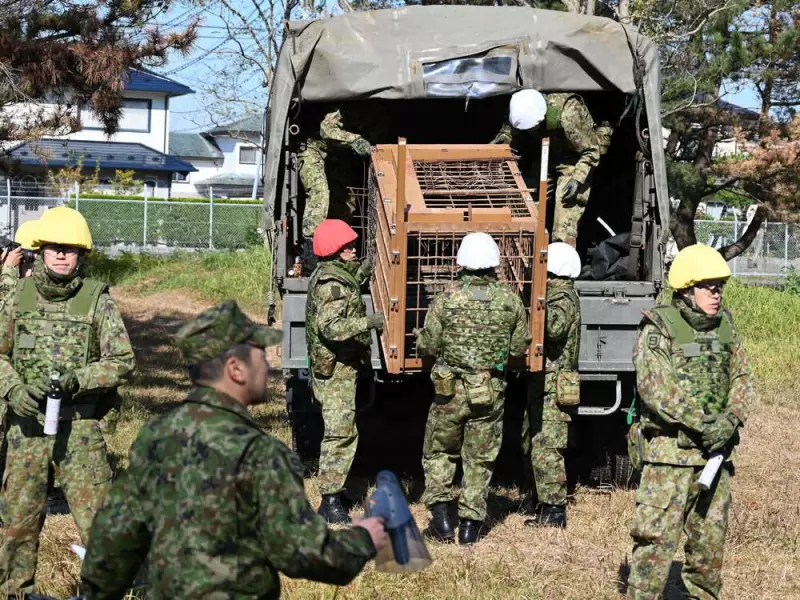
The Japanese government further expanded these measures in November 2025, addressing a critical shortage of skilled hunters by encouraging retired police officers and former military personnel to obtain hunting licenses and assist with population control efforts.
Additional Challenges: Misinformation and Public Awareness
Complicating the situation, Japanese authorities have noted an increase in fake AI-generated images and videos depicting bear-related incidents. These include fabricated content showing bears destroying solar panels at power facilities and bears snatching pets. The Japan Fact-Check Center has identified several videos containing watermarks from OpenAI's Sora video generator, noting that while the clips appear crude, they could mislead people when circulated alongside genuine reports.
Canadian travelers planning visits to northern Japan are urged to monitor official government travel advisories regularly and exercise increased caution when exploring rural and forested areas.