Why Now Is the Perfect Time for Canadians to Experience Greenland
In Greenland, a simple gesture of making eye contact and raising your eyebrows serves as a friendly greeting. However, be cautious—wiggling those eyebrows is interpreted as flirting. This cultural insight comes from former Greenland Prime Minister Aleqa Hammond, who served as a cultural educator on an expedition trip last August.
Shared Land and Unbreakable Bonds
Hammond also emphasized that land in Greenland belongs collectively to its people and cannot be purchased by foreigners. This principle resonates deeply with current geopolitical dynamics. While former U.S. President Donald Trump has stepped back from threats to annex Greenland, his rhetoric about making Canada the 51st state has heightened a sense of kinship between Greenlanders and Canadians.
Johannes Ostermann, a law student in Nuuk and Hammond's son, notes that these political tensions have strengthened the existing bonds rooted in shared Inuit heritage. In response, many travelers, including myself, packed symbolic items like a toque emblazoned with the Canadian flag and the words "Not for Sale" to spark conversations and smiles.

A Journey into the Arctic Wilderness
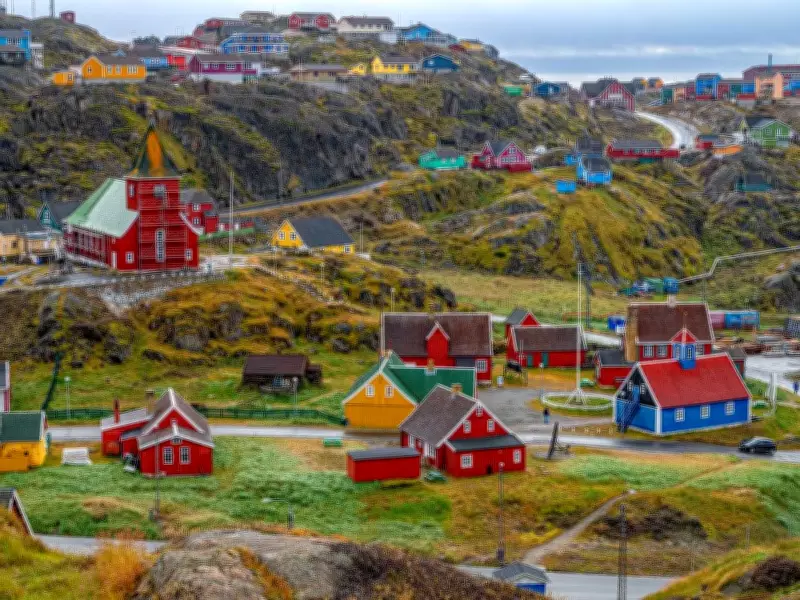
Greenland, the world's largest island that is not a continent, is dominated by a two-kilometre-thick ice sheet covering nearly 80% of its landmass. Travel across this vast terrain is limited to water, air, or traditional dogsled teams. Cruise ships have become an increasingly popular way for tourists to explore this remote region.
On my trip, I joined 174 passengers aboard the Canadian expedition ship Ocean Endeavour, arriving via a charter flight from Toronto. The aerial view revealed a stunning coastal landscape of turquoise lakes, winding rivers in deep canyons, and glacier-capped mountains. After five days in Greenland, we sailed across Davis Strait to Nunavut and the Northwest Passage, retracing the ill-fated 19th-century expedition of Sir John Franklin.
Rich History and Resilient People
Humans have inhabited Greenland for over 4,500 years, thriving in one of Earth's harshest environments. With a population of approximately 56,000, nearly 90% are Greenlandic Inuit, known as Kalaallit. The official language is Kalaallisut (Greenlandic), and many residents also speak Danish, English, or both.
Greenlanders refer to their homeland as Inuit Nunaat or Kalaallit Nunaat, meaning "Land of the People" or "Land of the Greenlanders." This self-governing autonomous country within the Kingdom of Denmark is actively pursuing independence, fostering an elbows-up sentiment similar to that found in Canada.
Cultural Exchanges and Lasting Impressions
From Hammond to airport staff in Kangerlussuaq and locals in Qeqertarsuaq on Disko Island, interactions were warm and engaging. My Canadian flag toque often served as an icebreaker, leading to meaningful conversations about shared values and experiences.
This unique moment in history offers Canadians an unparalleled opportunity to connect with Greenland through travel. The combination of breathtaking natural beauty, rich cultural heritage, and strengthened geopolitical bonds makes a visit to Greenland more compelling than ever before.