The Ottawa Food Bank has issued an urgent call to all levels of government, declaring that food insecurity has reached emergency levels in the city. The plea comes with the release of its stark 2025 Hunger Report, titled Food Insecurity in a Broken System, which documents a dramatic and sustained surge in demand for emergency food assistance.
A Broken System, Soaring Numbers
The report presents a sobering statistic: visits to the food bank's member agencies skyrocketed to 588,866 in 2025. This figure represents a staggering increase of 101 per cent since 2019, painting a clear picture of a crisis that has deepened significantly over the past five years.
The data reveals that the face of hunger in Ottawa is diverse. Forty per cent of all food bank users are single adults, while a deeply concerning 37 per cent are children. The report also highlights two other groups being hit particularly hard: seniors on fixed incomes and two-parent families.

Visits by seniors have risen by 90 per cent since 2019. Meanwhile, two-parent families now represent nearly one-third of all food bank visitors. Many of these families are caught in a difficult position, earning just enough to be excluded from income-based assistance programs, but not enough to cover the actual cost of raising children in Ottawa.
The Human Cost of an Affordability Crisis
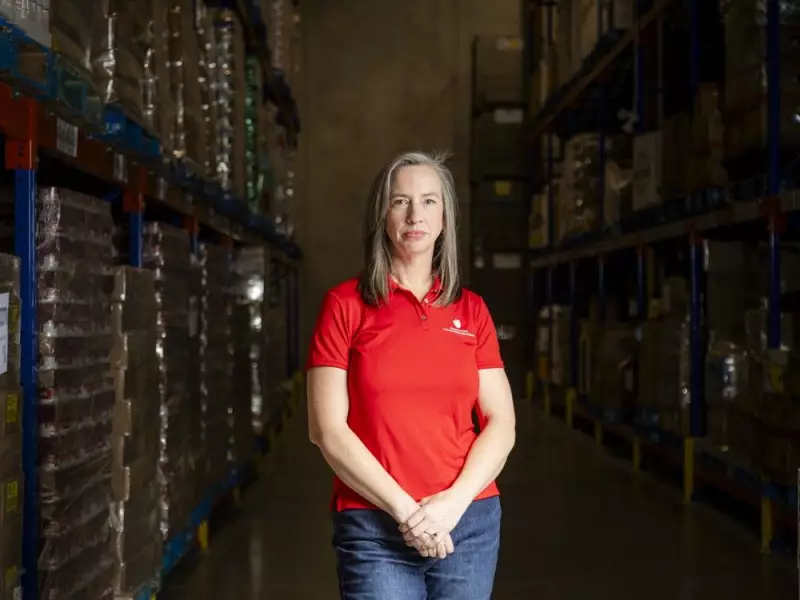
Rachael Wilson, CEO of the Ottawa Food Bank, emphasized that this is not an isolated issue. "It's pretty consistent, not only here in Ottawa, but across Ontario and across Canada," Wilson stated in an interview. "We're seeing the numbers continue to rise, and we're continuing to see people from all communities, all age groups, needing to access food banks."
Wilson pointed to the brutal math of household budgeting for families struggling with soaring costs. "When you have your rent or mortgage due, you can't miss those payments. Food is often the first thing to go," she explained. She acknowledged government supports like $10-a-day childcare but noted that the high cost of living, coupled with other expenses, continues to push families to the brink.
Beyond the Food Bank: A Network of Need
The hunger crisis extends far beyond the shelves of the food bank itself. The report indicates that the problem is so severe that a single visit to a food bank is often not enough. Wilson shared that many individuals and families rely on a patchwork of services to get by.
It is common for people to receive three to five days' worth of food from the bank and then depend on meal programs scattered across the city to feed themselves for the remainder of the month. In a powerful demonstration of this expanded need, the Hunger Report states that more than two million meals have been served across the entire Ottawa Food Bank network in 2025 alone.
"Many people need more than what food banks are able to provide," Wilson said, pointing to the significant increase in meals served as evidence of the gap between the assistance available and what people truly require to avoid hunger.
The central conclusion of the report is a direct appeal for systemic change. The Ottawa Food Bank is calling on municipal, provincial, and federal governments to make substantial investments to repair what it describes as broken social safety nets, arguing that charity alone cannot solve a crisis rooted in affordability.