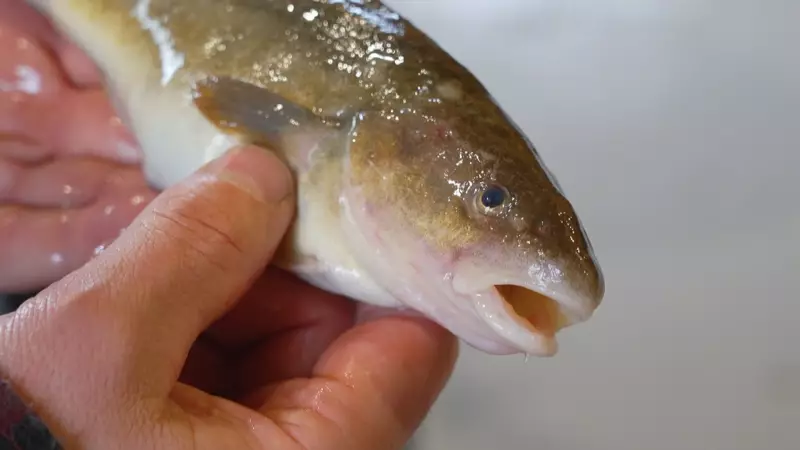
A surge of winter visitors is being reeled in by the frigid temperatures along Quebec's Ste-Anne River, where a traditional fishing village is experiencing an unexpected seasonal boom. The key attraction is the Atlantic tomcod, a species locally celebrated as the frostfish, which thrives in the icy waters and has become the most common catch for anglers and tourists alike.
The Frostfish Phenomenon
The current cold snap, more intense than recent winters, has created ideal conditions for the Atlantic tomcod. This hardy fish, known for its resilience in freezing temperatures, is drawing enthusiasts from near and far to the banks of the Ste-Anne River. Local guides and residents report a noticeable increase in visitor traffic, with many coming specifically to experience the unique winter fishery that defines this part of Quebec.
Economic and Cultural Ripple Effects
This influx is providing a welcome economic lift during the typically quiet winter months. Small businesses, including outfitters, local inns, and restaurants, are seeing increased activity from the seasonal visitors. Beyond economics, the trend is reinforcing a cherished local tradition. The practice of frostfish fishing is deeply woven into the community's heritage, serving as a living link to past generations and a distinctive feature of Quebec's winter culture.

A Winter Destination Reborn
The phenomenon highlights how specific weather patterns can directly influence regional tourism. While many seek warmer climates in winter, a segment of travelers and fishing aficionados are actively pursuing authentic cold-weather experiences. The village on the Ste-Anne River, with its focus on the frostfish, is carving out a niche as a destination for those looking to engage with Canada's rugged seasonal character. The sustained colder weather forecast suggests this trend may continue, offering a stable period for the local community to benefit from its natural winter resources.