Quebec's CAQ Government Accused of Ignoring Its Own Appointed French Language Commissioner
In a striking development, the Coalition Avenir Québec (CAQ) government is facing allegations that it is disregarding the very French language commissioner it appointed to oversee linguistic matters in the province. This situation has sparked debates about the government's commitment to protecting and promoting the French language in Quebec.
Background on the French Language Commissioner
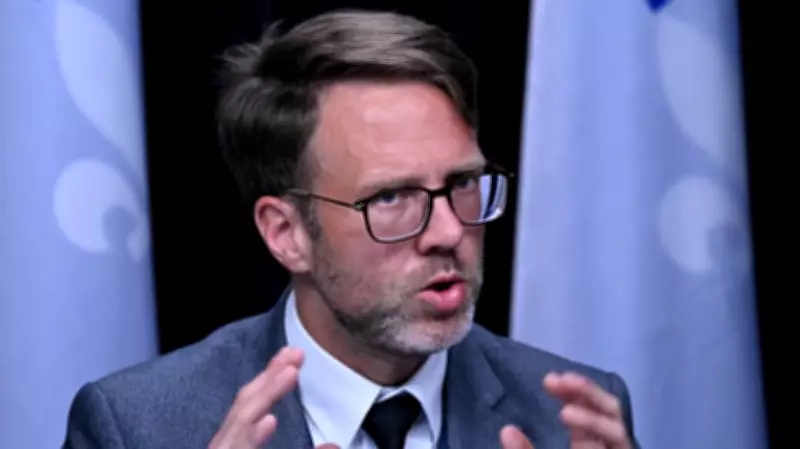
Benoit Dubreuil serves as the commissary to the French language, a position created to monitor and report on the state of French in Quebec. He presented his annual report in May 2024 at the legislature in Quebec City, outlining key findings and recommendations. However, recent reports suggest that the CAQ government, which appointed Dubreuil, has been slow to implement or even acknowledge his suggestions.
Political Implications and Public Reaction
The apparent disconnect between the commissioner's work and government action raises questions about the effectiveness of Quebec's language policy framework. Critics argue that ignoring the commissioner's recommendations undermines the role's purpose and could weaken efforts to preserve French in a predominantly English-speaking North America.

This issue comes at a sensitive time, as language remains a central topic in Quebec politics. The CAQ, which has positioned itself as a defender of French, now faces scrutiny over whether its actions align with its stated goals. Public opinion may shift if voters perceive a lack of follow-through on language protection promises.
Broader Context of Language Policy in Quebec
Quebec has a long history of language legislation, including Bill 101, which aims to ensure the predominance of French in public life. The role of the French language commissioner is intended to provide independent oversight, but if the government ignores its input, it could signal a troubling trend toward politicizing language issues.
Experts warn that consistent disregard for the commissioner's reports could erode trust in Quebec's language institutions. This might lead to increased polarization and debate over how best to support French while respecting linguistic diversity in the province.
Looking Ahead
As this story develops, stakeholders will be watching closely to see if the CAQ government addresses these concerns. The commissioner's future reports and the government's responses will be key indicators of Quebec's direction on language policy. For now, the situation highlights the challenges of balancing political appointments with independent oversight in sensitive cultural matters.