Nova Scotia Supreme Court Declares Summer 'Hiking Ban' Unconstitutional
The Nova Scotia Supreme Court has struck down the province's sweeping 2025 summer ban on entering wooded areas, ruling that the restrictions unduly limited Charter-protected mobility rights. Justice Jamie S. Campbell delivered the decision on Friday, finding the government failed to properly consider how the ban would affect Nova Scotians' fundamental right to "move freely around the province."
Administrative Law Violations Cited in Ruling
In a detailed 17-page decision, Justice Campbell determined there was no evidence of forethought regarding how the travel restrictions would impact constitutional rights. "There was no evidence in the record... there was any consideration given to mobility rights, how the ban could limit those rights and how the ban could be drafted in a way to minimize those limitations," Campbell wrote. He concluded that "as a matter of administrative law, the travel ban was unreasonable."
The justice clarified that his objection centered on how the ban was implemented rather than the concept of restrictions themselves. "A travel ban in the woods may have been an entirely justifiable limitation on mobility rights given the extraordinary circumstances that presented themselves in the summer of 2025," he acknowledged. "But the Minister had to have considered that before the proclamation was issued."

Background of the Controversial Restrictions
Nova Scotia Natural Resources Minister Tory Rushton imposed extensive travel and recreation limitations in wooded areas on August 5, 2025, following weeks of dangerously dry, hot weather that created extreme wildfire risks. The near-total prohibition made forests off-limits for:
- Hiking and trail running
- Camping and outdoor recreation
- Various other woodland activities
The restrictions remained mostly in effect until September 18, with some areas staying closed until October 15. Premier Tim Houston announced that violations would carry substantial penalties, with fines reaching $25,000 for those defying the order.
Legal Challenge and Public Response
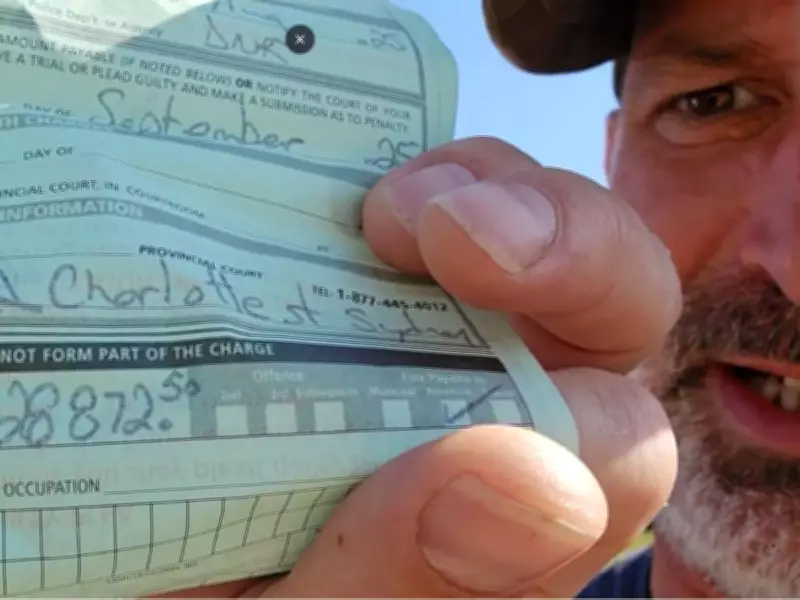
The so-called "hiking ban" generated significant controversy across Canada, drawing criticism from conservative politicians and civil liberties advocates. One prominent opponent was Canadian Armed Forces veteran Jeffrey Evely, who deliberately violated the ban on August 8 and recorded his actions. Evely received a substantial fine of $28,872.50 for his protest.
Evely joined forces with the civil rights organization Justice Centre for Constitutional Freedoms (JCCF) as plaintiffs in the legal challenge that resulted in Friday's ruling. Justice Campbell also criticized the government for inadequate communication about which specific areas and activities were prohibited, noting that "the ban was so vague as to be incapable of being interpreted at all."
Implications and Government Response
While the court's decision represents a significant judicial rebuke, it does not require any government action since the emergency order has already expired. JCCF litigation director Marty Moore stated that the ruling reaffirms governments must respect personal freedoms even during emergencies. The organization anticipates the decision will lead to Evely's substantial fine being invalidated.
"We hope this judicial rebuke will lead to more reasonable decisions by the government of Nova Scotia in the future," Moore commented. Inquiries to Minister Rushton and Premier Houston's office regarding the ruling were not immediately returned following the court's decision.
The case highlights the delicate balance between public safety measures during environmental emergencies and the protection of fundamental constitutional rights, establishing important precedents for how future restrictions must be carefully considered and properly implemented.