Federal Justice Minister Firmly Declines Provincial Request for Enhanced Judicial Appointment Role
In a significant development for Canada's judicial landscape, Justice Minister and Attorney General Sean Fraser has formally rejected a request from four provincial premiers seeking greater influence in the appointment of superior and appeal court judges. The decision, delivered on March 24, 2026, underscores the ongoing tension between federal and provincial authorities over control of the judiciary.
Premiers' Collective Push for Provincial Input
The request originated from a coalition of four premiers who argued that provinces should have a more substantial say in selecting judges who preside over courts within their jurisdictions. This push reflects long-standing provincial concerns about the federal government's dominant role in judicial appointments, particularly for superior courts and courts of appeal, which are federally appointed but operate at the provincial level.
Proponents of the change have contended that increased provincial involvement would ensure judges are more attuned to regional legal traditions and community needs. However, Minister Fraser's rejection indicates the federal government's commitment to maintaining a unified national standard for judicial appointments, prioritizing consistency and independence across the country.

Minister Fraser Reaffirms Federal Authority
In his response, Minister Fraser emphasized the importance of a centralized appointment process to uphold judicial independence and national coherence. "The integrity of our justice system relies on appointments made through a rigorous, merit-based process that transcends regional politics," Fraser stated, highlighting the federal government's role in safeguarding the judiciary from potential provincial political pressures.
The minister's stance is rooted in constitutional principles that designate the federal government as responsible for appointing judges to superior courts, including the Supreme Court of Canada. This framework is designed to prevent fragmentation of legal standards and ensure that judges are selected based on expertise and impartiality, rather than regional affiliations.
Implications for Federal-Provincial Relations
This rejection is likely to fuel ongoing debates about the balance of power between Ottawa and the provinces. While some observers view the decision as a necessary defense of judicial independence, others criticize it as an overreach of federal authority that disregards provincial perspectives.
The issue touches on broader themes of governance and autonomy, with provinces increasingly seeking greater control over areas traditionally managed by the federal government. The judicial appointment process remains a focal point in these discussions, as it directly impacts the administration of justice at both regional and national levels.
Context and Broader Judicial Landscape
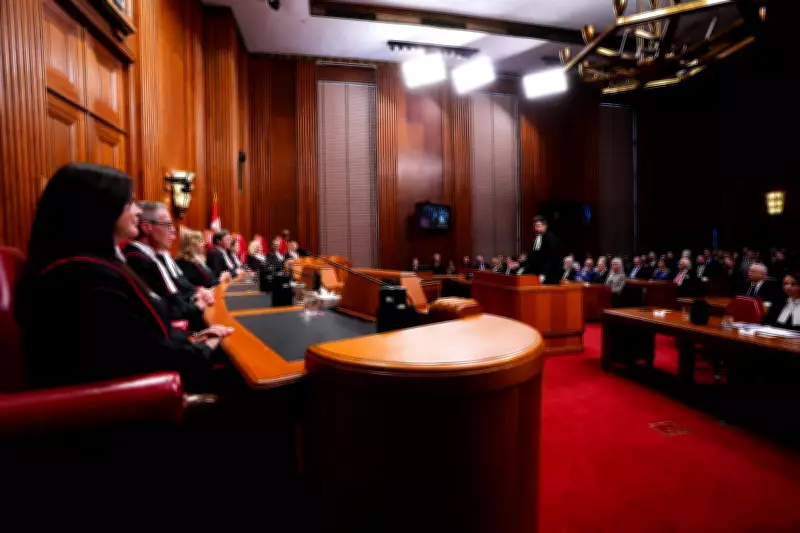
The controversy emerges amid other significant developments in Canada's legal system, including ongoing discussions about the Supreme Court's composition and the implementation of judicial reforms. Minister Fraser's involvement in the Ceremonial Opening of the Judicial Year at the Supreme Court of Canada in October 2025 further underscores the federal government's active role in shaping judicial affairs.
As the debate continues, stakeholders from legal communities, provincial governments, and civil society are expected to weigh in on the optimal structure for judicial appointments. The federal government's firm position suggests that any changes to the current system would require substantial constitutional amendments or unprecedented political consensus.
For now, Minister Fraser's rejection signals that the status quo will prevail, with the federal government retaining primary authority over the appointment of superior and appeal court judges across Canada.