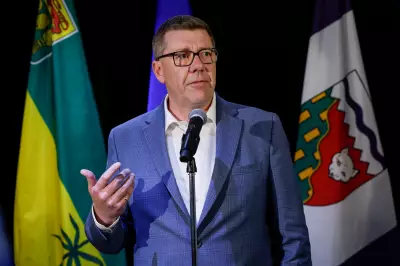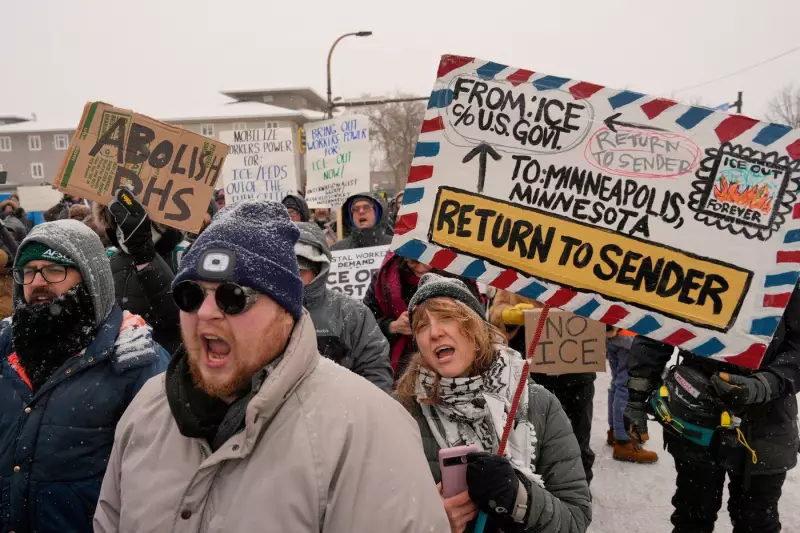
Winnipeg's mayor has taken a firm constitutional stand against a proposed cross-border security measure. The city's leader stated that sending Canadian soldiers to Minneapolis, Minnesota, to assist with an immigration enforcement operation would be a direct violation of constitutional law.
A Firm Stance on Constitutional Grounds
The mayor's declaration came amidst reports of a potential plan to deploy military personnel south of the border. The core of the argument rests on the legal limits of using Canada's armed forces for domestic law enforcement, let alone operations in a foreign country. The mayor emphasized that such an action would overstep the defined roles of the Canadian military and infringe upon constitutional principles.
Context and Cross-Border Implications
This statement highlights the complex and often sensitive nature of cross-border security cooperation. While Canada and the United States frequently collaborate on defense and law enforcement, the proposed use of soldiers for an immigration-related task in an American city represents an unusual and legally contentious scenario. The mayor's position underscores a commitment to upholding the rule of law and the proper separation of powers, even in matters of international concern.

Broader Political and Legal Repercussions
The mayor's unequivocal statement is likely to fuel further debate on the scope of military deployment and international intervention. It raises significant questions about:
- The legal authority for such cross-border security actions.
- The precedent it would set for future military use.
- The diplomatic relationship between Canada and the United States regarding domestic enforcement.
By framing the issue as a constitutional one, the mayor has placed the debate firmly within the realm of legal necessity rather than political preference. This stance serves as a clear boundary, asserting that certain proposals, regardless of their intent, cannot proceed if they conflict with the foundational laws of the country.