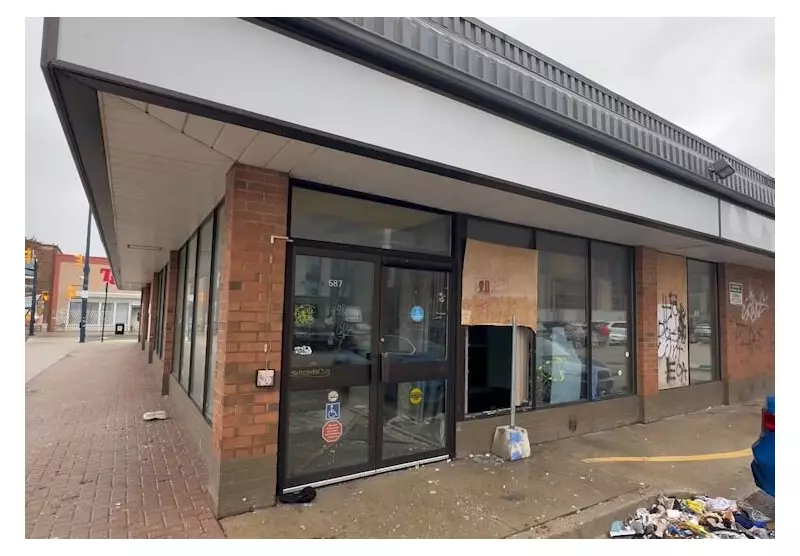
A small fire at a vacant building in London, Ontario, has cast a stark light on the city's ongoing struggle with homelessness and shelter shortages. The incident, which occurred on January 13, 2026, at 687 Dundas Street East, is being described by community advocates as a heartbreaking symptom of a much larger crisis.
A Symptom of a Larger Crisis
The fire, captured by CTV News London's Reta Ismail, did not result in serious injuries but served as a dangerous reminder of the precarious situations faced by individuals without adequate housing. Vacant buildings often become temporary refuges for those with nowhere else to go, leading to increased risks of fires and other safety hazards. This event directly coincides with the city's efforts to address homelessness through alternative housing projects.
City's Response and Shelter Project
In response to the growing need, work has resumed on a micro-shelter community specifically designed for homeless Londoners. City Hall has revised the project's opening date, indicating a push to bring these crucial units online. These micro-shelters are intended to provide immediate, safer, and more stable temporary housing than vacant buildings or makeshift encampments, offering a critical stopgap in the city's housing continuum.

The juxtaposition of the fire and the shelter construction highlights the urgent pressure on municipal resources. Advocates argue that while micro-shelters are a positive step, the scale of the need requires sustained investment and longer-term solutions to affordable housing and support services.
Community Impact and Ongoing Challenges
The fire on Dundas Street is not an isolated event. Similar incidents in vacant properties periodically occur in cities across Canada, often linked to the use of these spaces for shelter by vulnerable populations. Each event underscores the human cost of housing insecurity and the complex challenges municipalities face in balancing public safety, property management, and compassionate care for their most at-risk residents.
As London moves forward with its micro-shelter plan, community organizations continue to call for accelerated action and comprehensive strategies. The goal is to prevent future tragedies and provide dignified, safe options for everyone in the community, moving beyond the heartbreaking cycle of displacement and danger symbolized by fires in empty buildings.