Chris Selley: The Notwithstanding Clause as Canada's Constitutional Shield Against Authoritarian Drift
In a compelling analysis of Canada's constitutional landscape, columnist Chris Selley presents a robust defense of Section 33 of the Charter of Rights and Freedoms, commonly known as the notwithstanding clause. Selley argues that this constitutional provision serves as a vital bulwark against potential authoritarian overreach in Canadian politics, directly challenging arguments that link its use to concerning political trends in other Western nations.
The Quebec Bill 21 Challenge and Unwarranted Trump Comparisons
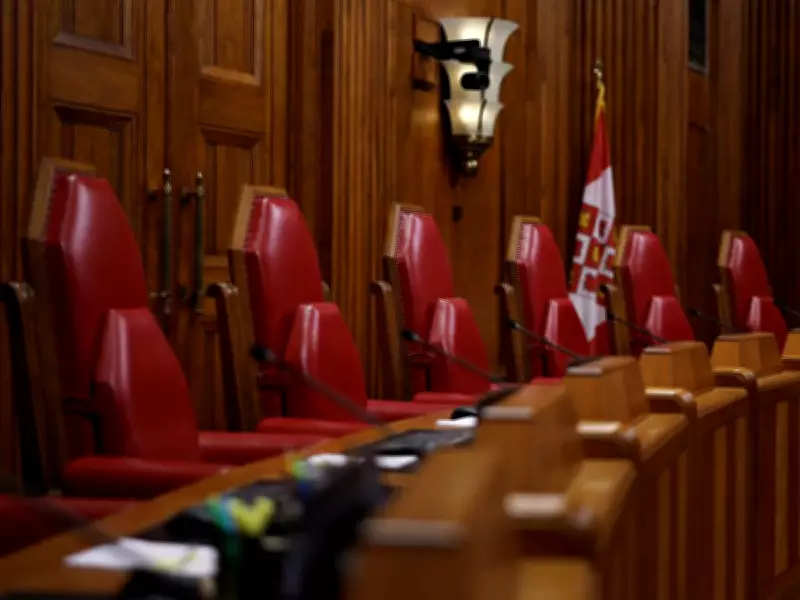
The Supreme Court of Canada is currently hearing a landmark challenge against Quebec's controversial Bill 21, legislation that prohibits certain civil servants—particularly teachers—from wearing religious symbols such as hijabs, turbans, kippahs, and crucifixes while performing their duties. Despite this being a distinctly Canadian legal matter, some commentators have attempted to draw parallels with political developments in the United States.
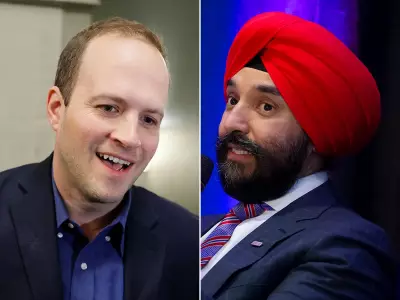
During the Supreme Court proceedings, prominent Quebec lawyer and Université de Montréal law professor Frédéric Bérard argued that invoking the notwithstanding clause has become "easier than ever" in contemporary Canada. Bérard explicitly connected this constitutional mechanism to political trends in other countries, including those directly south of the Canadian border, suggesting that unless justices restrict the clause's application, Canada risks inviting authoritarian tendencies.

Judicial Skepticism of International Political Comparisons
Justice Malcolm Rowe offered a pointed rebuttal to these international comparisons, questioning whether Canada's Constitution should be interpreted in light of foreign political figures. "Should the Constitution of Canada be interpreted in light of the person who is the president of the United States, or the president of Russia, or the leader of the Communist Party in China?" Rowe asked Bérard during the hearing. "Is that our methodology?"
Bérard maintained that analyzing the issue in isolation would be an error, arguing that Canada cannot consider itself immune from broader Western political trends. He referenced multiple European nations that failed to anticipate political shifts within their own borders, suggesting Canada must remain vigilant against similar developments.
The Irony of Trump Comparisons in Religious Freedom Context
Selley highlights the profound irony in comparing Canada's religious freedom debates to American political dynamics. While former President Donald Trump has faced numerous criticisms regarding civil rights, he has notably avoided targeting religiously observant civil servants—a central concern in Quebec's Bill 21. American constitutional protections and public sentiment would likely prevent such measures, with Gallup polling consistently showing Americans remain more willing to vote for Muslim or gay presidential candidates than atheist candidates.
Rather than representing a "Trump moment," Selley argues that Canada's 2026 religious freedom debates reflect a distinctly Quebec political phenomenon. He cites numerous Quebec political figures—including Mario Dumont, Philippe Couillard, Charles Taylor, Gérard Bouchard, François Legault, Pauline Marois, Paul St-Pierre Plamondon, Bernard Drainville, and Yves-François Blanchet—who have engaged with religious freedom issues, demonstrating this as a provincial rather than international political concern.
The Notwithstanding Clause as Constitutional Safeguard
Selley presents the notwithstanding clause not as a threat to rights, but as a necessary constitutional mechanism that allows elected legislatures to have the final word on certain matters. He characterizes arguments suggesting the clause invites authoritarianism as "desperately bad" legally and even worse practically. The clause represents a deliberate constitutional compromise that balances judicial review with parliamentary sovereignty, ensuring that fundamental policy decisions remain with elected representatives rather than being exclusively determined by appointed judges.

This perspective challenges the narrative that Canada must follow international political trends, instead emphasizing the distinctive features of Canada's constitutional framework and political culture. The notwithstanding clause, in Selley's analysis, serves precisely to prevent the kind of judicial overreach that might otherwise create conditions for populist backlash, thereby protecting Canada's democratic institutions from the types of pressures seen in other Western nations.