Quebec's New Secularism Law Sparks Concern Over Good Friday Prayer Ban
A new secularism law in Quebec has officially banned public prayer gatherings, leading to significant unease and concern among some residents, particularly as it impacts traditional Good Friday marches. The legislation, which recently came into effect, prohibits organized public religious demonstrations, including the long-standing Way of the Cross processions that are a hallmark of the Christian holiday.
Archbishop of Montreal Voices Disapproval
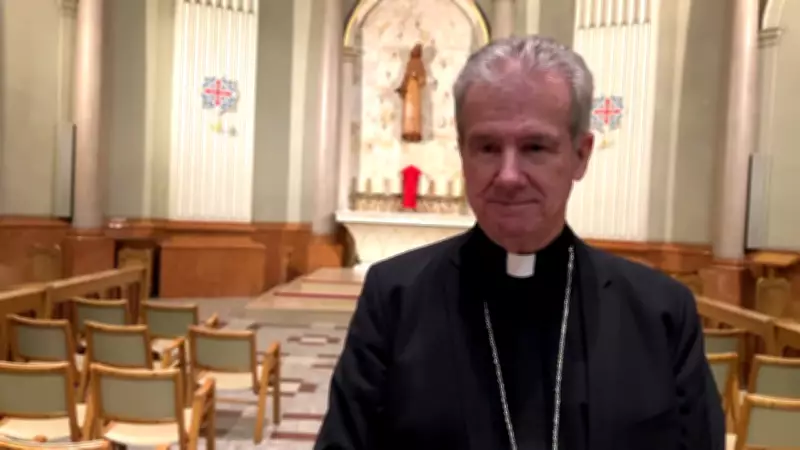
Christian Lépine, the Archbishop of Montreal, expressed his disapproval in a statement to CTV News on Friday, April 3, 2026. He highlighted the cultural and spiritual importance of these events for the faithful, noting that the ban disrupts a cherished tradition that has been part of Quebec's social fabric for generations. Lépine emphasized that while the law aims to promote secularism, it risks marginalizing religious communities and stifling public expressions of faith.
Impact on Good Friday Observances
The law's timing has drawn particular attention, as it coincides with the Christian observance of Good Friday, a day when many Quebecers participate in outdoor Way of the Cross ceremonies. In previous years, large gatherings of devoted followers have attended these events at locations such as St. Mary's Cathedral in Montreal and other sites across the province. This year, however, such public displays are no longer permitted under the new regulations.

Faithful individuals who traditionally gathered in Ottawa and other Quebec cities for the processions now face restrictions, forcing them to seek alternative, private ways to observe the day. The ban has sparked debates about the balance between secular governance and religious freedom, with critics arguing that it may infringe on constitutional rights.
Broader Context and Reactions
The secularism law is part of a broader trend in Quebec to reinforce laïcité, or secularism, in public spaces, following earlier legislation such as Bill 21, which restricted the wearing of religious symbols by certain public servants. Proponents of the new law argue that it ensures neutrality in public life, preventing any single religion from dominating civic events. However, opponents, including some community leaders and legal experts, warn that it could lead to increased social tension and alienation among religious minorities.
In response to the ban, some groups have organized private indoor services or virtual gatherings to maintain their traditions, though many express sadness over the loss of public communal rituals. The situation has also prompted discussions about how similar laws might affect other religious observances in the future, raising questions about inclusivity and diversity in Quebec society.
As the province navigates this new legal landscape, the impact on cultural and religious practices remains a point of contention, with ongoing calls for dialogue and potential amendments to address concerns while upholding secular principles.