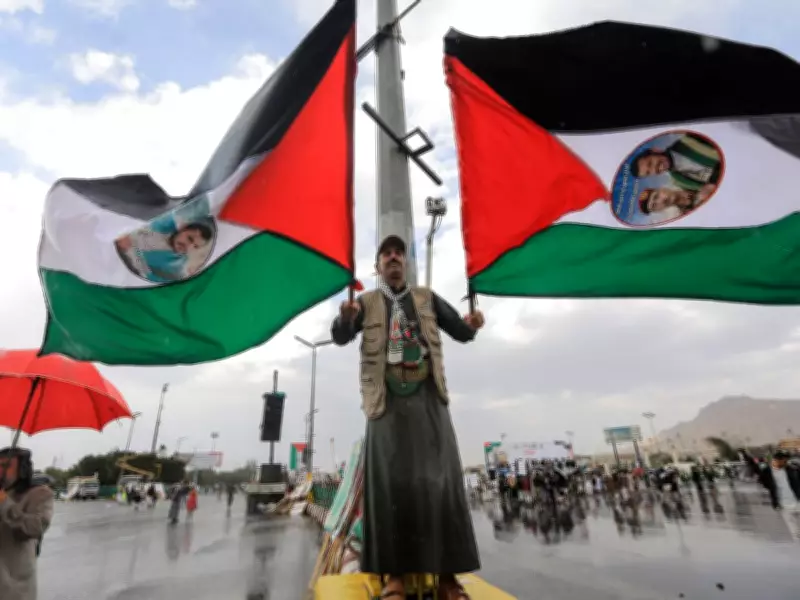
Canada's reputation as a safe haven for minorities is being severely tested as antisemitic and anti-Israel demonstrations continue to dominate city streets with apparent impunity. This weekend's Al-Quds Day protests are proceeding despite legal attempts to halt them, highlighting what many see as a dangerous erosion of the rule of law in favor of mob rule.
Synagogue Attacks and Official Inaction
Recent shootings targeting three synagogues in the Toronto area have failed to provoke the decisive response many expected from authorities. Instead of strong condemnation and action, Canadians have heard what critics describe as empty platitudes from politicians and police officials claiming "this is not who this country is." Many argue this response demonstrates exactly who Canada has become under current leadership.
Canada's Changing International Reputation
Once celebrated globally for embracing cultural diversity and providing sanctuary for all minorities, Canada is now gaining a different kind of international recognition. The country has developed a reputation as a place where Jewish citizens feel increasingly unsafe in their homes, schools, and places of worship. This stands in stark contrast to actions taken elsewhere, such as in London, U.K., where authorities approved police requests to ban similar Al-Quds marches.

The frustration extends beyond the Jewish community. Many Canadians from various backgrounds recognize that when one group's safety is compromised, everyone's security is threatened. The lack of significant action from police, civic leaders, and the justice system has created widespread concern about the direction of Canadian society.
Financial Burden on Taxpayers
The economic impact of these demonstrations has been substantial. According to Toronto Police Chief Myron Demkiw's report from last year, protests related to the Gaza conflict cost taxpayers approximately $19.5 million in 2024 alone. This included more than 2,000 unplanned events that required police resources and disrupted normal city operations.
What makes this particularly galling to many observers is that while other groups must obtain permits and cover policing costs for their demonstrations, these antisemitic protests appear to operate under different rules. The peaceful majority finds itself footing the bill for activities that many consider hateful and disruptive.
Peaceful Protest Versus Hateful Demonstration
While peaceful protest remains a cornerstone of democratic society, many argue that current demonstrations have crossed important boundaries. Hateful signs, chants, and messages have become commonplace at these events, creating an environment that threatens the rights of peace-loving citizens to attend school, work, and worship without harassment.
The situation has reached a point where Canadians are expressing exhaustion with having their cities torn apart by conflicts originating half a world away. These demonstrations often target pillars of Canadian society who have contributed significantly to the nation's arts, sciences, music, law, medicine, and business sectors.
As Canada approaches another weekend of planned protests, the fundamental question remains: Will authorities uphold the rule of law and protect all citizens equally, or will mob rule continue to dictate what happens on Canadian streets? The answer will determine not just the safety of Jewish communities, but the character of Canadian democracy itself.