The repeated use of the notwithstanding clause by Alberta's United Conservative Party government is raising serious concerns among citizens and legal experts across the province. This controversial move, employed multiple times within a single week specifically concerning transgender youth, represents a significant shift in how the constitutional provision is being utilized.
A Pattern of Avoiding Scrutiny
Instead of treating the notwithstanding clause as the rare legislative measure it was intended to be, the UCP government under Premier Danielle Smith appears to be using it as a shortcut to bypass proper scrutiny. The clause is being deployed to block potential constitutional challenges to legislation, effectively preventing the courts from reviewing laws that impact vulnerable populations.
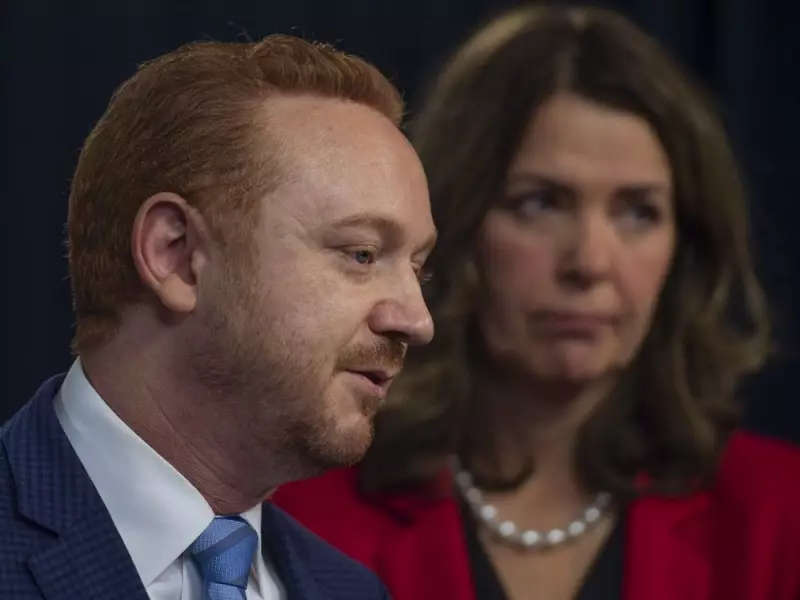
As outlined in Bill 9 on Monday, November 17, 2025, by Justice Minister Mickey Amery and Premier Smith, the government's approach involves rewriting laws and then shielding them from judicial review. This creates a concerning precedent where the government positions itself above the legal limits that guide other institutions.

Fundamental Rights at Stake
The specific targeting of policies affecting transgender youth has drawn particular criticism from human rights advocates. When a government invokes the notwithstanding clause four times within a month, it signals something fundamentally wrong with the legislative process, according to critics.
Kari McKnight from St. Albert expressed that "Albertans deserve leaders who are willing to justify their decisions under the Charter, not hide behind exemptions." This sentiment reflects growing unease about the government's willingness to override constitutional protections.
Broader Implications for Democracy
Stephanie Shostak of Edmonton highlighted the dangerous precedent being set, noting that "Human rights are not optional. They are not political toys." The concern extends beyond the immediate policies to the broader democratic principles at stake.
The Charter of Rights and Freedoms exists specifically to protect vulnerable groups who might otherwise lack political power. When a government preemptively overrides these protections because it anticipates its laws wouldn't survive court challenges, it demonstrates a concerning approach to governance that prioritizes political objectives over constitutional safeguards.
This pattern of using the notwithstanding clause represents a significant departure from traditional Canadian constitutional practice and raises important questions about the future of rights protection in Alberta.