Wisconsin Senate Approves Landmark Legislation on Sports Betting and Food Stamps
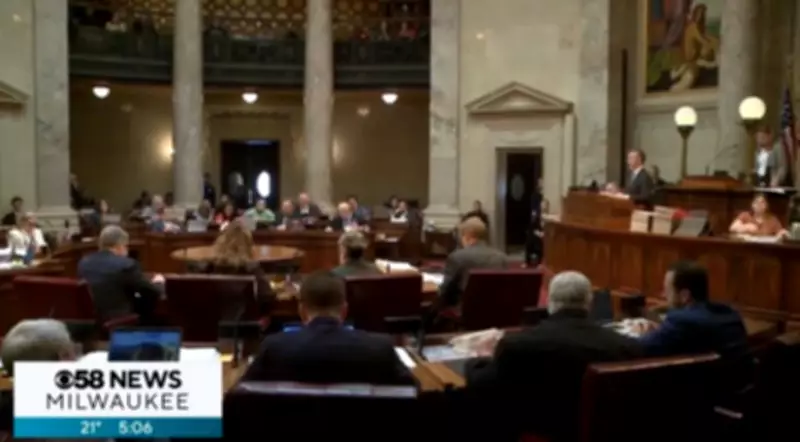
In a pivotal move during its concluding regular session of 2026, the Wisconsin Senate has successfully passed two high-profile bills that are now headed to Governor Tony Evers' desk for final approval. The legislation, which sparked unusual political alliances and compromises, addresses both the legalization of online sports betting and restrictions on the use of food stamps for certain items.
Online Sports Betting Legalized in Wisconsin
The first bill, which garnered significant bipartisan support, legalizes online sports betting across the state of Wisconsin. This landmark decision marks a major shift in the state's gambling policies, aligning Wisconsin with a growing number of states that have embraced regulated online sports wagering. Proponents argue that this move will generate substantial tax revenue, create jobs, and provide a safe, legal alternative to unregulated betting markets.
Key provisions of the sports betting bill include:

- Establishing a framework for licensed operators to offer online sports betting platforms.
- Implementing strict age verification and responsible gambling measures to protect consumers.
- Allocating a portion of tax revenues to fund state programs and initiatives.
Food Stamp Restrictions on Candy and Soda
The second bill passed by the Senate introduces new restrictions on the Supplemental Nutrition Assistance Program (SNAP), commonly known as food stamps. Specifically, it prohibits the use of SNAP benefits to purchase candy and soda. Advocates of the bill contend that this change will promote healthier eating habits among low-income families and ensure that taxpayer-funded assistance is directed toward nutritious food options.
Critics of the food stamp bill, however, raise concerns about potential stigmatization and the practicality of enforcing such restrictions. They argue that limiting food choices may not effectively address underlying issues of nutrition and could disproportionately impact vulnerable populations.
Political Dynamics and Next Steps
The passage of these bills required delicate negotiations and unexpected coalitions within the Wisconsin Senate. Lawmakers from both sides of the aisle found common ground on these issues, demonstrating a rare moment of bipartisan cooperation in a politically divided chamber.
With the bills now advancing to Governor Tony Evers, all eyes are on the executive office for final approval. If signed into law, these measures could have far-reaching implications for Wisconsin's economy, public health, and social welfare systems. The governor's decision is anticipated to be announced in the coming weeks, following a thorough review of the legislation's potential impacts.