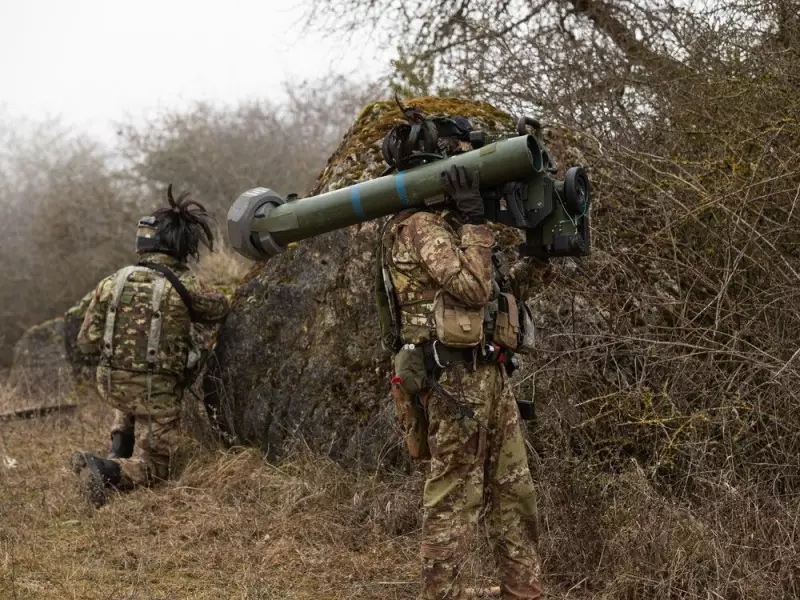
The Canadian military has encountered another technical issue with a batch of new anti-tank missiles destined for its troops stationed in Latvia as part of a NATO mission. Despite this latest snag, defence officials express confidence the problem will be resolved in time for the final delivery of the weapon systems later this year.
Recurring Problems with Urgent Procurement
This development marks the latest in a series of challenges for the Spike LR anti-tank missile systems, purchased under an Urgent Operational Requirement to rapidly equip soldiers in the Baltic region. An initial shipment was delivered to Latvia in 2025 after earlier delays caused by problems with launchers and ammunition were addressed.
Department of National Defence spokeswoman Cheryl Forrest confirmed to the Ottawa Citizen that a new ammunition-related issue was identified in September 2025. She characterized the latest problem as "minor" and stated that Rafael Advanced Defense Systems, the Israeli manufacturer, is responsible for fixing it before completing deliveries.

"The remaining equipment will be delivered and operational by mid-2026," Forrest explained.
A History of Performance Issues
This procurement has been plagued by performance concerns from the outset. In 2024, it was reported that more than half of the newly received Spike missiles failed to function correctly during Canadian Forces testing. The federal government spent US$32 million (approximately $45 million CAD) on the weapon systems.
To expedite the process for the Latvia mission, the Canadian Army opted to forgo live-fire tests during the vendor selection phase. A DND spokesperson previously stated this "technical risk was assessed and deemed acceptable" because the potential bidders had already delivered thousands of units to other international customers.
Both the Canadian Army and the Department of National Defence have declined to specify the exact nature of the technical problems, citing a desire to protect the commercial interests of Rafael. The defence contractor has not responded to media requests for comment on the missile issues.
Training Continues Amidst Technical Fixes
Despite the ongoing technical troubles, training for Canadian operators has proceeded. Soldiers conducted training in Latvia in September 2025, which included a successful live firing of the system. That test allowed the military to declare an initial operational capability for the delivered missiles.
Canadian troops were also sent to Israel for training on the Spike system, confirming earlier reporting. The ongoing testing and evaluation aim to ensure the systems are fully functional before the mid-2026 operational deadline.
The original urgent purchase of the anti-tank missiles and associated air defence systems was fast-tracked in February 2023 to bolster the capabilities of the Canadian-led NATO battle group in Latvia, a direct response to regional security concerns.