Canada Achieves NATO Defence Spending Goal, Yet Economic Impact Limited
Canada has officially met the North Atlantic Treaty Organization's defence spending target, allocating 2.01% of its gross domestic product to military expenditures in 2025. However, economists caution that this significant financial commitment is unlikely to provide a timely boost to the nation's sluggish economy.
Spending Details and Economic Analysis
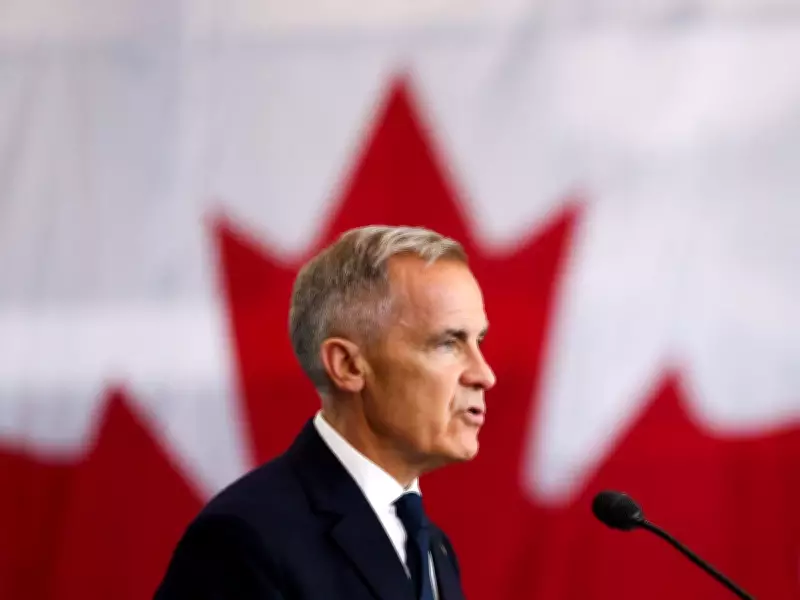
According to NATO reports, Canada's defence spending reached $62.7 billion in 2025, a substantial increase from $44.3 billion in 2024. Prime Minister Mark Carney has earmarked $82 million for defence over five years on a cash basis, aligning with NATO's calculation methods. Additionally, wage increases for military personnel ranging from eight to twenty percent, costing approximately $2 billion annually, were announced last summer.
Randall Bartlett, deputy chief economist at Desjardins Group, explained that much of this spending increase stems from personnel compensation. "Tangentially, it's a net positive, but it's not something that's going to lead to higher investment, higher GDP growth, higher productivity growth," Bartlett stated. He further noted that imports of military equipment, which Canada largely purchases rather than produces domestically, will dilute the economic impact of the additional expenditure.

Breakdown of Defence Expenditures
NATO's analysis reveals how Canada allocated its defence budget:
- 36% on personnel
- 1.4% on infrastructure
- 40% on operations, maintenance, and other expenditures
- 22.6% on major equipment and research and development
The spending also includes pension payments to retirees. In comparison, the United States spent US$980 billion on defence during the same period, representing 3.2% of its GDP.
Limited Multiplier Effects and Future Targets
Bradley Saunders, North America economist at Capital Economics Ltd., emphasized in an email that the government's defence spending "is still too small to sufficiently lift spending above two per cent of GDP or generate significant multiplier effects." The funds are directed toward various areas including personnel recruitment, training infrastructure, digital infrastructure, armoured vehicles, and domestic ammunition production.
Bartlett highlighted that expenditures on salaries and support for Ukraine represent immediate outflows in the current fiscal year. He also pointed out that budgetary reallocations, such as moving Coast Guard funding from Fisheries and Oceans to Defence, helped Canada achieve the two percent target without substantially impacting GDP.
Looking ahead, NATO has set more ambitious goals for member nations: 3.5% of GDP on core defence requirements and 1.5% on defence and security requirements, aiming for total spending of five percent of GDP by 2035.
While Canada's compliance with NATO spending targets demonstrates commitment to international defence obligations, economists unanimously agree that this financial injection will not catalyze economic growth in the foreseeable future. The composition of spending—heavily weighted toward personnel costs and imported equipment—limits its potential to stimulate domestic investment and productivity enhancements.