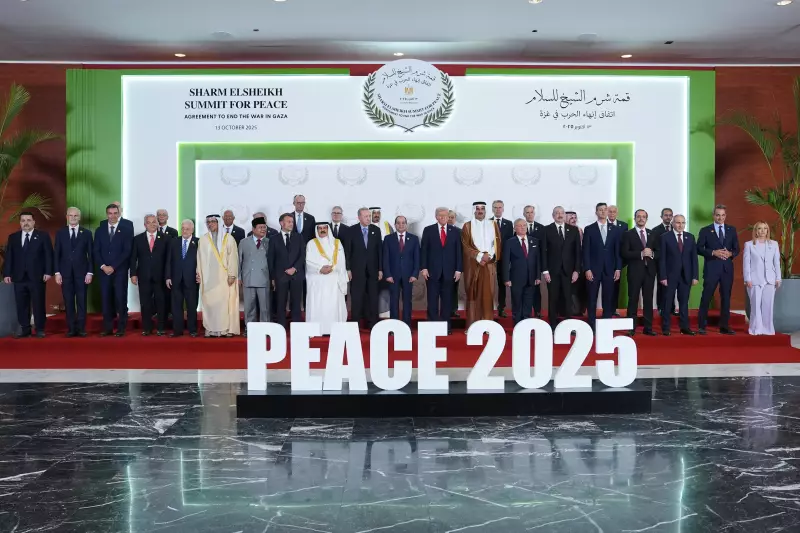
A leading Middle East security analyst has indicated that Canada could be asked to play a significant role in a future peace plan for Gaza. The proposal hinges on the deployment of a multinational security force, a topic expected to be part of high-level discussions between international leaders.
The Crucial Role of an International Security Force
According to Thomas Warrick, a senior fellow from the Scowcroft Middle East Security Initiative, any sustainable peace agreement following the Israel-Hamas conflict will likely require an international security presence. This force would be responsible for maintaining stability and preventing a resurgence of violence in the region.
Warrick's analysis, shared in a video segment, suggests that the logistics and composition of such a force are central to current diplomatic planning. He specifically noted that Canada may get a call to contribute personnel or resources, given its history of participation in international peacekeeping and stabilization missions.

High-Stakes Diplomatic Discussions
The expert weighed in on what is expected to be discussed between former U.S. President Donald Trump and Israeli Prime Minister Benjamin Netanyahu during their anticipated meeting in Florida. The formation and mandate of an international force are predicted to be key agenda items.
This development points to the complex post-conflict planning underway, even as active hostilities continue. The involvement of trusted international partners like Canada is seen as vital for lending legitimacy and operational capability to any peacekeeping effort in Gaza.
Implications for Canadian Foreign Policy
A potential request for Canadian involvement would place the decision squarely before the federal government. It would require careful consideration of military capacity, diplomatic priorities, and domestic public opinion.
Such a mission would align with Canada's traditional role in multilateral security operations but would also involve significant risk and commitment in a highly volatile region. The expert's comments highlight that international planners are already looking beyond the immediate conflict to the challenging phase of long-term stabilization.
The original analysis was published on December 29, 2025, indicating that these strategic conversations are actively taking place among policymakers and security experts as they blueprint a path forward for Gaza.