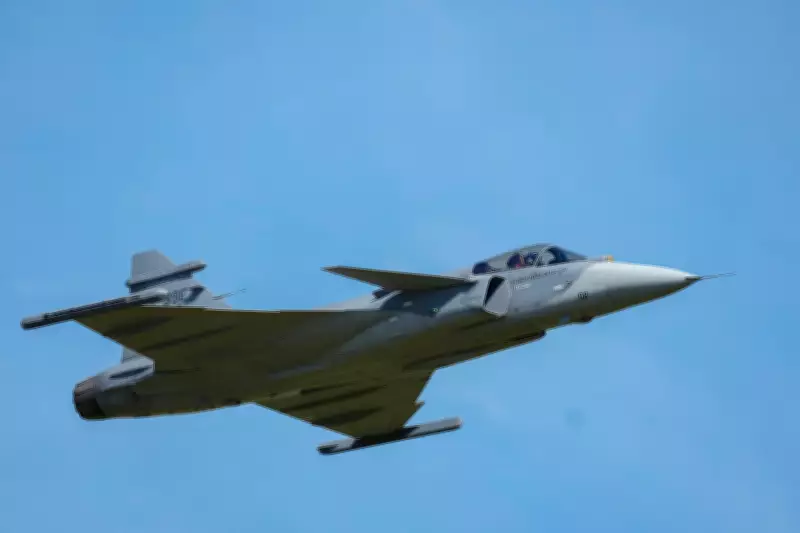
Canada and Saab Continue Intensive Negotiations Over Fighter Jet Acquisition
In a significant development for Canada's defense capabilities, Saab's Chief Executive Officer has confirmed that discussions with the Canadian government regarding the potential purchase of F-39 Gripen fighter jets remain "intensive" and ongoing. However, despite the advanced stage of talks, no definitive decision has been made on the procurement of these advanced combat aircraft.
The negotiations represent a critical component of Canada's efforts to modernize its Royal Canadian Air Force fleet, which has been a subject of prolonged debate and evaluation. The F-39 Gripen, a multi-role fighter aircraft developed by the Swedish aerospace company Saab, is being considered alongside other international options to replace Canada's aging CF-18 Hornets.
Strategic Importance of the Fighter Jet Program
The potential acquisition of Saab's Gripen fighters carries substantial strategic implications for Canada's national security and defense posture. As geopolitical tensions evolve and technological advancements reshape aerial combat, maintaining a modern and capable fighter fleet is paramount for sovereignty protection and international alliance commitments.

Saab's CEO emphasized the comprehensive nature of the discussions, which extend beyond mere aircraft procurement to encompass training, maintenance, technology transfer, and long-term support packages. These elements are crucial for ensuring operational readiness and maximizing the value of what would represent a multi-billion dollar investment for Canadian taxpayers.
Comparative Advantages of the F-39 Gripen Platform
The F-39 Gripen offers several distinctive features that make it particularly suitable for Canada's diverse operational requirements:
- Advanced avionics and sensor systems providing superior situational awareness in complex combat environments
- Exceptional performance in Arctic conditions, a critical consideration for Canada's northern sovereignty missions
- Lower operational and maintenance costs compared to some competing fighter platforms
- Proven interoperability with NATO allies and existing Canadian defense infrastructure
- Continuous upgrade path ensuring technological relevance throughout the aircraft's service life
These characteristics align closely with Canada's stated requirements for a fighter capable of operating effectively across the country's vast geography, from the Arctic to coastal regions.
Broader Context of Canada's Defense Modernization
The ongoing negotiations with Saab occur within the framework of Canada's broader defense policy, which has emphasized the need for enhanced capabilities across multiple domains. The fighter replacement program represents one of the largest defense procurement initiatives in Canadian history, with implications for industrial participation, technological development, and long-term strategic planning.
Industry analysts note that the decision timeline remains uncertain, with multiple factors influencing the final outcome including budget considerations, industrial benefits packages, and alignment with Canada's evolving defense priorities. The intensive nature of current discussions suggests both parties are committed to addressing these complex considerations comprehensively before reaching any definitive agreement.
As negotiations continue behind closed doors, defense observers will be monitoring for further developments in what represents a pivotal moment for Canada's military capabilities and its position within global defense partnerships. The ultimate decision will shape the Royal Canadian Air Force's operational capacity for decades to come.