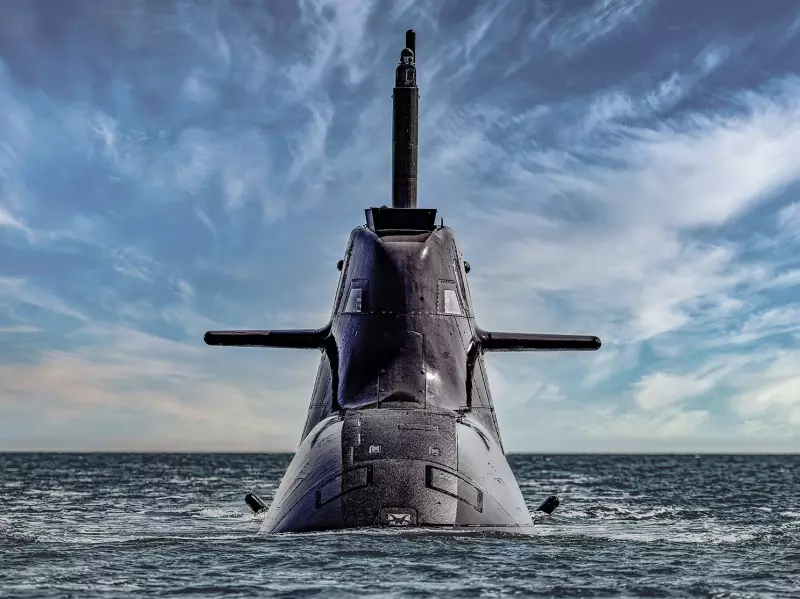
Canada faces a pivotal moment in its military modernization efforts as the government moves forward with plans to replace the aging Victoria-class submarine fleet. According to Vice-Admiral (ret'd) Mark Norman, the country needs new submarines immediately, but must avoid critical errors in procurement strategy that could undermine national security objectives.
Urgent Need Meets Strategic Procurement
The Canadian government under Prime Minister Mark Carney has demonstrated unprecedented commitment to rebuilding the Canadian Armed Forces, with the submarine replacement program serving as a cornerstone of this effort. The plan involves acquiring up to 12 new conventionally powered submarines to replace the four Victoria-class vessels that have served since the late 1990s.
Norman applauds the prime minister's personal engagement, noting his visits to both German and Korean shipyards as evidence of serious commitment to defense modernization. The selection process has been remarkably efficient compared to historical standards, with the government already narrowing potential suppliers to two contenders: German and Korean manufacturers.

Beyond Technical Specifications: The Value Proposition
While the technical capabilities of both submarine options are largely comparable—Norman compares the choice to selecting between a Kia Sportage and Volkswagen Tiguan—the decision extends far beyond mere specifications. The government has emphasized that both options meet the Royal Canadian Navy's requirements, meaning the final selection will hinge on cost, scheduling, and overall value for Canada.
The economic dimension presents both opportunity and risk. Norman warns against what he terms "the weaponization of economic benefits and scheduling"—a scenario where industrial benefits and domestic production opportunities could overshadow strategic defense needs. He emphasizes that Canada cannot afford "self-goals, unforced errors or shooting ourselves in the foot" when allocating substantial rearmament spending.
Industrial Benefits Versus Strategic Imperatives
The government's approach includes realigning domestic industrial capacities and opportunities, representing a sophisticated defense spending strategy lacking in previous decades. However, Norman stresses that the economic value of 12 new submarines should not prohibit production, manufacturing, or partial assembly of built-to-print components, particularly those essential for sustaining submarine operations throughout their lifecycle.
Both potential suppliers have received comprehensive briefings on Canada's expectations and will submit detailed proposals in the coming months. The decision will establish a decades-long partnership with the selected manufacturer and their parent country, making this one of Canada's most significant defense procurement decisions in recent history.
As Norman concludes, the submarine program has become symbolic of both the compelling need to modernize the Canadian Armed Forces and the government's ability to demonstrate meaningful reform in procurement processes. The coming months will reveal whether Canada can balance urgent defense needs with smart economic decision-making in this critical national security investment.