Canadian Officer's Unique Position in U.S. Military Amid Minnesota Deployment Speculation
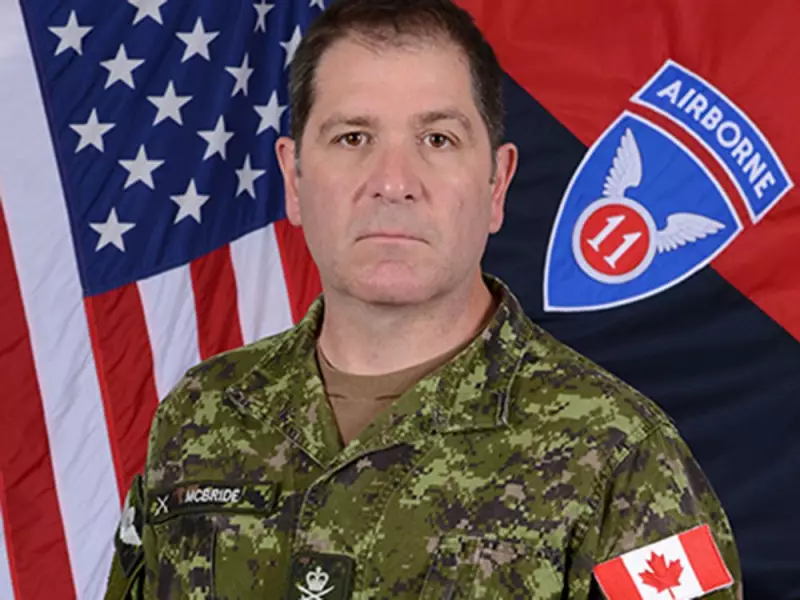
Reports that U.S. troops stationed in Alaska are being prepared for potential deployment to Minneapolis during ongoing immigration-related turmoil have placed a Canadian military officer in an unusual diplomatic and operational position. Brig. Gen. Robert McBride, a Canadian exchange officer, currently serves as deputy commanding general for operations with the U.S. 11th Airborne Division based in Alaska.
The Exchange Program and Its Historical Complexities
McBride was seconded to the U.S. 11th Airborne Division in 2023, replacing another Canadian officer, Brig. Gen. Louis Lapointe, in the same role. This assignment is part of a longstanding officer exchange program between Canadian, U.S., and other NATO countries' armed forces. Such exchanges have created complex situations for Canadian personnel in the past, particularly during international conflicts where Canadian and allied national interests diverge.
The current situation centers around President Donald Trump's threat to invoke the Insurrection Act in Minnesota, where widespread protests have erupted over immigration enforcement actions. The implementation of this act would grant the president broad powers to respond to civil unrest in the state. Multiple U.S. media outlets, including ABC News and the Associated Press, have quoted unnamed military sources indicating that the 11th Airborne Division has been instructed to prepare approximately 1,500 troops for possible deployment to Minnesota.

Legal and Diplomatic Safeguards for Canadian Exchange Officers
Retired Gen. Wayne Eyre, who served as Canada's chief of defence staff until 2024 and actually assigned McBride to the U.S. unit, provides insight into the safeguards protecting Canadian exchange officers. According to Eyre, exchange officers must obtain Canadian approval—known as a national authority to deploy—before participating in any operation with their American units. This process involves the chief of defence staff making a recommendation and the defence minister providing final authorization.
"I doubt the U.S. would even ask for a Canadian exchange officer to deploy on such a task, and even less likely it would be approved," Eyre stated, emphasizing the diplomatic considerations that would likely prevent McBride's involvement in domestic U.S. operations.
Historical Precedents for Canadian Exchange Officers
The current situation echoes historical dilemmas faced by Canadian military personnel serving in exchange positions:
- 2003 Iraq Invasion: While Canada declined to participate in the U.S.-led invasion of Iraq, a small number of Canadian soldiers deployed with their American units before this authority was later rescinded.
- 1982 Falklands War: A Canadian exchange officer with the British Parachute Regiment was refused authority to join the conflict, as was his American counterpart.
- 2014 Afghanistan Deployment: Eyre himself served as deputy commanding general for operations with the U.S. XVIII Airborne Corps when it deployed to Afghanistan, coinciding with the conclusion of Canada's mission in the country.
Critics of potential military deployment to Minnesota have argued that invoking the Insurrection Act and sending active-duty troops—rather than part-time National Guard soldiers—would represent an unnecessary and nearly unprecedented escalation of tensions. The situation raises important questions about the role of international military personnel in domestic operations and the diplomatic mechanisms that govern such exceptional circumstances.