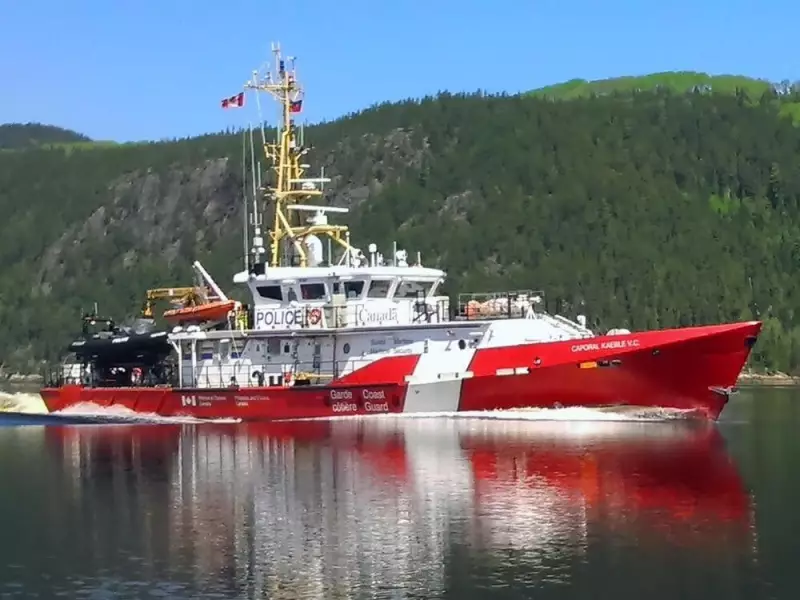
The Canadian Coast Guard is preparing to retire its troubled fleet of mid-shore patrol vessels years ahead of schedule, according to internal government documents obtained by National Post.
Security Mandate Creates New Pressures
The accelerated retirement comes as the civilian agency braces for increased demands under its new security-focused mandate. Prime Minister Mark Carney announced in June that the coast guard would be folded into the National Defence Department, part of the government's plan to accelerate defence spending and count coast guard operations toward NATO spending targets.
Following the June announcement, internal meetings revealed significant concerns about capacity constraints. A senior coast guard official warned that the new security mandate is expected to create substantial pressures from other government departments to increase use of coast guard platforms for border and security purposes.

Fleet Problems and Early Retirement
The mid-shore patrol vessels, specifically designed for surveillance, rescue and enforcement operations along Canada's coasts, have faced longstanding operational challenges. Former national security advisor Jody Thomas highlighted the fundamental design flaws, stating: "I think the problem with them was that they were too small and too light for our coast and they took a beating."
According to meeting notes released under access-to-information legislation, the vessels will be removed from service "sooner than expected (within a few years)" and won't reach their intended life expectancy. The government had invested hundreds of millions of dollars to build the problematic fleet.
Growing Security Demands
The internal documents reveal that officials expect increased demands from the RCMP and Canada Border Services Agency for security and border work using coast guard platforms in the near future. This comes as the agency already struggles with an aging fleet and now faces additional responsibilities under its revised mandate.
Questions about replacement plans for the retiring vessels remain unanswered, creating uncertainty about how Canada will maintain maritime security and surveillance capabilities during the transition period. The situation highlights the challenges of repurposing a civilian agency for national security functions while managing equipment limitations and operational constraints.