CSIS Maintains Steady Threat Assessment for Iran and Its Proxies
Canada's Security Intelligence Service (CSIS) has issued a report indicating that the threat level associated with Iran or its proxy groups remains unchanged and is likely to continue in the foreseeable future. This assessment comes amidst escalating regional tensions and increased military actions by the United States against Iranian targets.
Context of Ongoing Regional Conflicts
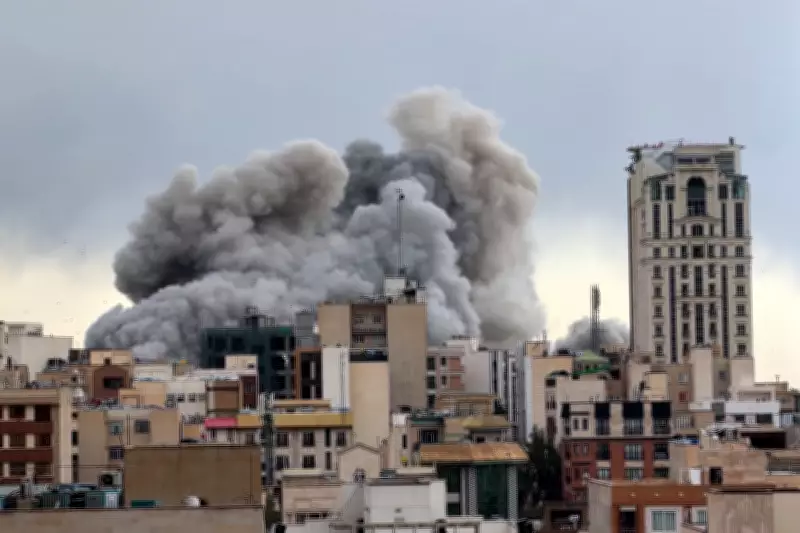
The CSIS evaluation is set against a backdrop of heightened instability in the Middle East. Recent events include intensified U.S. airstrikes on Iranian missile launchers, as confirmed by U.S. Central Command, and statements from U.S. defense officials describing ongoing operations as "the most intense day of strikes inside Iran." These developments underscore the volatile environment that CSIS is monitoring.
Iran has been accused of orchestrating attacks on neighboring countries, further complicating the security landscape. The persistence of these activities suggests a sustained pattern of aggression that aligns with CSIS's forecast of continued threats.

Canadian Government's Stance and Domestic Concerns
In response to the evolving situation, Canadian officials have reiterated their position. Notably, Prime Minister Carney has affirmed that Canada will "never participate" in any offensive actions against Iran, emphasizing a diplomatic and non-combative approach. This stance reflects Canada's broader foreign policy priorities and its commitment to international stability.
Domestically, the threat assessment has sparked discussions among policymakers. For instance, Ontario Premier Doug Ford has raised concerns about potential "sleeper cells" in the wake of incidents like the U.S. Consulate shooting, highlighting how global tensions can influence local security perceptions. These remarks illustrate the interconnected nature of international threats and domestic preparedness.
Broader Implications and Intelligence Analysis
The CSIS report serves as a critical tool for understanding the persistent risks posed by state actors and their affiliates. By maintaining an unchanged threat level, the agency signals that existing security measures must remain vigilant. The assessment is based on comprehensive intelligence gathering, including analysis of proxy group activities, regional military engagements, and geopolitical shifts.
Experts note that the "likely to continue" projection underscores the entrenched nature of these threats, which are driven by deep-seated political and ideological conflicts. This continuity poses challenges for international security frameworks and requires ongoing coordination among allied nations.
As the situation develops, CSIS will continue to monitor indicators and adjust its assessments as necessary. The agency's findings are integral to informing Canada's defense strategies and ensuring public safety in an increasingly complex global arena.