Major Attack on Critical Energy Infrastructure
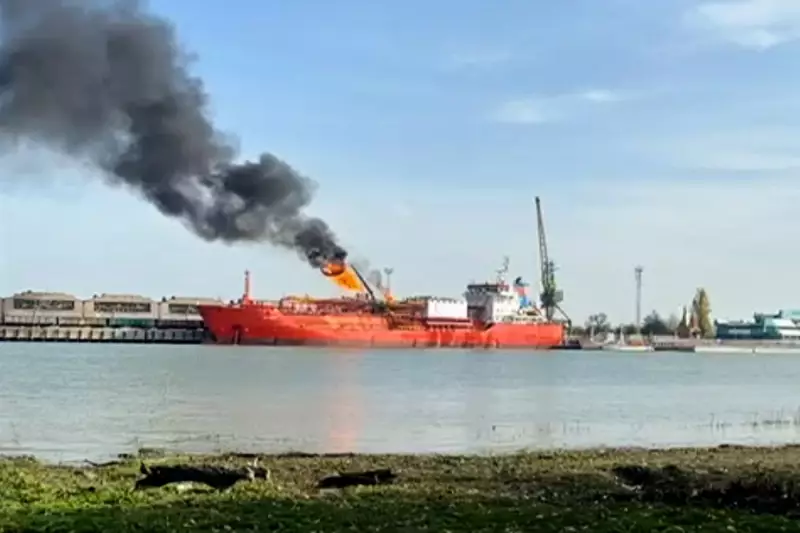
A Turkish-flagged commercial tanker transporting liquefied petroleum gas became the target of a Russian drone strike in Ukraine's strategic Odesa region on Monday, November 17, 2025. The attack occurred near the port infrastructure in Izmail, a key Ukrainian shipping hub on the Danube River close to the Romanian border.
Photographic evidence released by Romania's Emergency Services (ISU) shows the massive cargo vessel completely engulfed in flames following the direct hit. The images, captured from the Romanian side of the Danube River border, reveal the extensive damage to the ship and the immediate danger to crew members and surrounding infrastructure.
Escalating Threat to Global Energy Supplies
This assault represents a significant escalation in Russia's targeting of energy transportation infrastructure in the Black Sea region. The strike on the Turkish tanker comes at a particularly sensitive time as European nations prepare for winter energy demands and seek alternatives to Russian energy exports.

The attack location in Izmail is especially significant as it serves as one of Ukraine's primary remaining export routes for agricultural and energy products since Russia's withdrawal from the Black Sea grain deal. The Danube River ports have become crucial alternative channels for Ukrainian exports amid the ongoing conflict.
International Response and Security Implications
Maritime security analysts are expressing growing concern about the safety of commercial shipping in the northwestern Black Sea region following this incident. The deliberate targeting of a neutral Turkish vessel marks a dangerous development that could further destabilize global energy markets and complicate diplomatic efforts.
Turkish authorities have yet to release an official statement regarding the attack on their national-flagged vessel. However, the incident is likely to prompt urgent discussions within NATO about enhancing protection for commercial shipping in the region. Energy experts warn that continued attacks on energy infrastructure could lead to increased price volatility in global liquefied petroleum gas markets as the Northern Hemisphere enters the high-demand winter season.
The international community is closely monitoring the situation, with particular attention to how this attack might influence energy security policies and humanitarian corridor negotiations in the ongoing conflict.