A drone strike in the Gaza Strip claimed three lives on Monday, January 12, 2026, as the militant group Hamas moved forward with plans to transfer administrative governance to a newly formed committee. The incident underscores the ongoing volatility in the region despite political maneuvering.
Details of the Deadly Attack
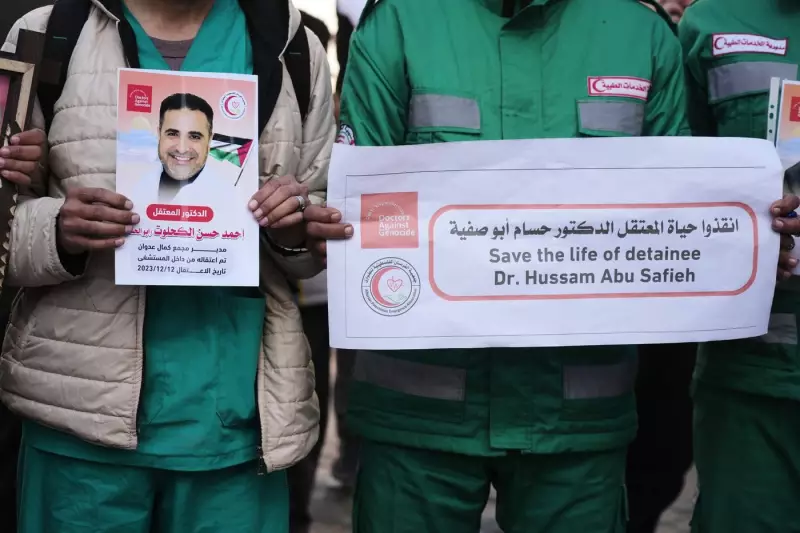
The strike occurred amidst visible civil unrest. On the same day, medical staff participated in a protest organized by the Palestinian Prisoners Committee outside the Red Cross headquarters in Gaza City. The demonstrators were calling for the release of prisoners held in Israeli jails. Associated Press photographer Jehad Alshrafi captured images of the event, which highlighted the tense atmosphere on the ground.
The exact location and specific target of the drone attack were not immediately detailed in initial reports. However, the casualty count of three fatalities was confirmed, marking another violent episode in the prolonged conflict between Israel and Hamas.

Hamas Prepares for Governance Handover
This violence unfolds against a backdrop of significant political change within Gaza. Hamas, which has long controlled the enclave, is in the process of preparing to transfer day-to-day governance responsibilities to a new administrative committee. This move is seen by some analysts as a potential step to alleviate internal pressure and possibly streamline operations, though its impact on the military conflict remains unclear.
The formation of this committee represents a notable shift in the internal dynamics of governance in Gaza. It is unclear how this transition will affect the group's stance or capabilities in the ongoing war with Israel, which has seen repeated cycles of violence and brief ceasefires.
Regional Context and International Response
The drone strike and governance transition occur within a complex regional landscape. The Israel-Hamas war continues to draw international concern, with calls for de-escalation and humanitarian aid for civilians caught in the crossfire. The protest by medical professionals and the prisoners' committee highlights the deep-seated issues and human costs that extend beyond the immediate battlefield.
These developments in Gaza are closely monitored by global powers, including Canada, which has historically engaged in diplomatic efforts concerning Middle East peace. The timing of the strike, coinciding with public demonstrations over prisoner releases, points to the multifaceted nature of the conflict, where military actions and political grievances are deeply intertwined.
As the situation develops, the international community watches to see if the new governance committee in Gaza will lead to any tangible changes in policy or an opening for renewed diplomatic dialogue, or if the cycle of violence will continue unabated.