In a dramatic response to escalating drug cartel violence, the government of Ecuador has mobilized a massive military force. President Daniel Noboa has ordered the deployment of 10,000 soldiers across the nation as part of a newly declared state of emergency.
A Nation Under Siege: The Trigger for Military Action
The decisive action follows a major security breach that sent shockwaves through the country. The catalyst was the apparent escape of a powerful gang leader from the Inca prison in Quito. This event, which occurred in early January 2024, exposed critical vulnerabilities within the nation's penal system and signaled a brazen challenge to state authority by organized crime groups.
In response, President Noboa decreed the national state of emergency on Monday, January 15, 2026. This legal measure grants authorities sweeping powers, including the ability to suspend certain rights and mobilize the military in key areas, most notably within the country's notoriously volatile prison system.

Soldiers on the Streets: The Scope of the Crackdown
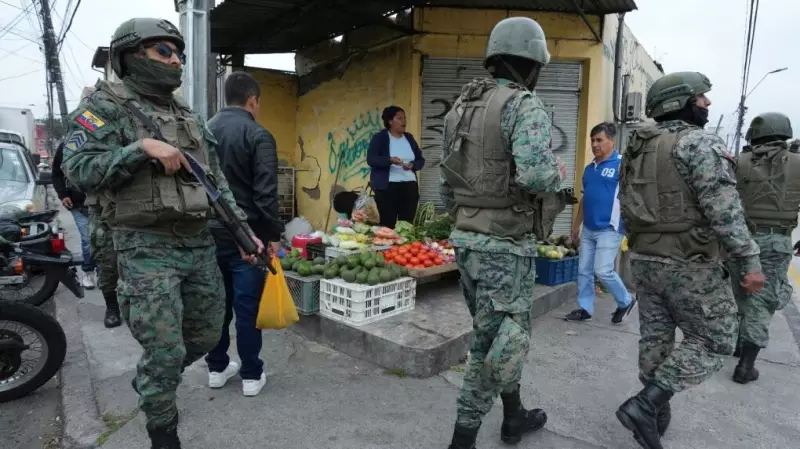
The scale of the deployment is unprecedented in recent Ecuadorian history. The 10,000 soldiers are being tasked with reclaiming control from powerful drug trafficking organizations that have plunged parts of the country into chaos. Their mandate includes patrolling streets, securing critical infrastructure, and retaking control of prisons that have effectively been run by incarcerated gang leaders.
Scenes from the capital, Quito, illustrate the new reality. Soldiers now patrol the perimeter of facilities like the Inca prison, where the escape originated, while daily life continues uneasily around them. The military presence is a visible attempt to restore public order and demonstrate the government's resolve.
Implications and the Road Ahead
The state of emergency marks a pivotal moment for President Noboa's administration. It represents a shift towards a hardline, militarized strategy against narco-violence, a problem that has increasingly threatened Ecuador's stability. The move has been framed as necessary for national survival, but it also raises significant concerns about civil liberties and the long-term efficacy of a purely security-focused approach.
Analysts suggest that the prison system remains the epicenter of the crisis. Gangs have used prisons as headquarters, coordinating extortion, drug trafficking, and violent campaigns from behind bars. The military's success in dismantling these networks inside penitentiaries will be a key benchmark for the operation's overall success. The world is watching to see if this massive show of force can stem the tide of violence that has made Ecuador a focal point in the international drug war.