In a significant geopolitical development, several European nations have dispatched military personnel to Greenland. This move comes amid ongoing and sensitive discussions between the United States and Denmark regarding the future of the vast Arctic island. The troop deployment underscores the high stakes and growing international tension surrounding the issue.
Diplomatic Talks and Military Movements
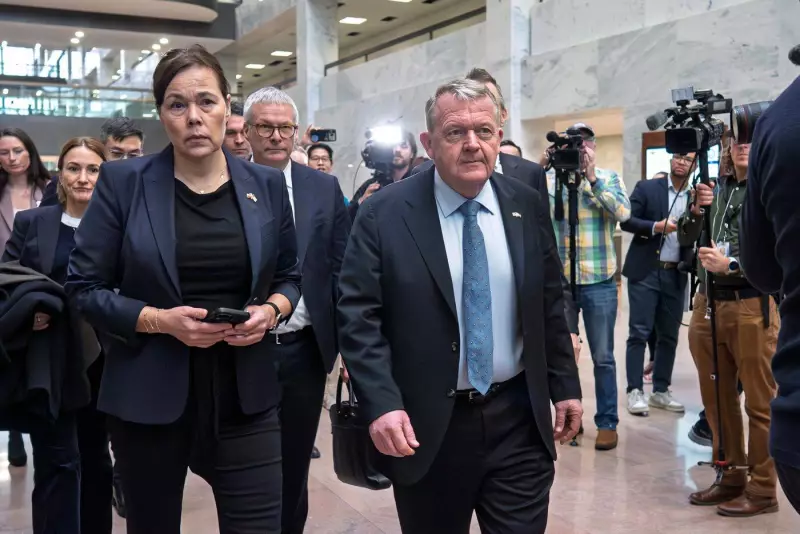
The situation escalated on January 15, 2026, as reports confirmed the movement of European forces. While Denmark leads the diplomatic engagement, the physical presence of troops signals a firm commitment to Greenland's current constitutional status. Danish Foreign Minister Mette Frederiksen has characterized the talks with U.S. officials as "very constructive," but the simultaneous military activity suggests a preparedness for all scenarios.
Officials from both Denmark and Greenland have been unequivocal in their public statements, making it clear that Greenland is not for sale. This message has been directed at U.S. lawmakers who have recently visited the Arctic island and engaged in rhetoric about a potential takeover. Residents in Greenland have expressed worry over these visits and the uncertain political future they portend.

Strain on NATO Unity
The unfolding crisis over Greenland is exposing deepening cracks within the NATO alliance. The prospect of a major ally like the United States pursuing the acquisition of territory from another member state, Denmark, is creating unprecedented diplomatic friction. A Danish MP described "the whole situation as very absurd," highlighting the surreal nature of the threats and discussions.
This rift complicates traditional security cooperation in the Arctic and North Atlantic, a region of increasing strategic importance. The decision by European nations to send troops is a tangible manifestation of this strain, representing a defensive posture that is rarely seen among close treaty partners.
Broader Implications and Next Steps
The immediate consequence is a militarization of the discourse around Greenland's sovereignty. The troop deployment, while likely symbolic, changes the calculus on the ground. It demonstrates a European resolve to back Denmark's position and could influence the trajectory of the talks with Washington.
Looking ahead, the path forward remains fraught. U.S. lawmakers are scheduled to travel to Denmark for further discussions, but the atmosphere is now charged with the new reality of a military presence in Greenland. The situation poses a fundamental challenge to transatlantic relations and the principles of territorial integrity within the Western alliance. How the United States responds to this European show of force will be critical in determining whether a diplomatic solution can be found or if the rift widens further.