The Lebanese Armed Forces have officially transitioned into a new and more assertive stage of their long-term strategy to disarm non-state militant groups operating within the country's borders. This pivotal shift, confirmed on January 8, 2026, directly targets powerful factions like Hezbollah, aiming to consolidate state authority over security matters.
Seizure of Strategic Facilities Marks Escalation
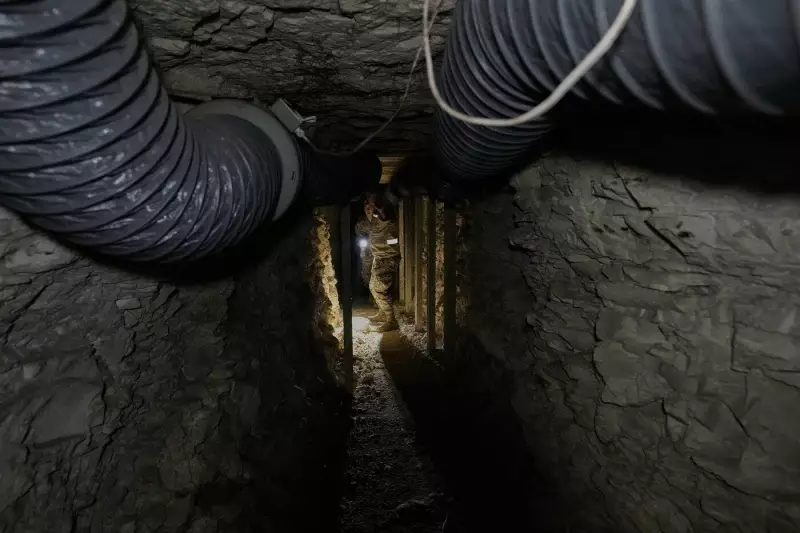
This new operational phase is characterized by the physical takeover of infrastructure long controlled by these groups. A significant demonstration of this policy occurred weeks earlier, on November 28, 2025, when Lebanese army soldiers conducted a deliberate walk-through of a sophisticated tunnel complex dug into a mountain in the Zibqin Valley near the Lebanese-Israeli border.
This facility, which had been operated by Hezbollah militants, served dual purposes as a clandestine clinic and a storage depot. The military's public display of control over this strategic asset sent a clear message about its intent to enforce sovereignty in historically contested border regions.

A Delicate Balance of Power
The move to actively disarm Hezbollah represents one of the most delicate and ambitious security challenges for the Lebanese state. Hezbollah is not only a powerful political entity within Lebanon's fractured government but also maintains a formidable paramilitary force that has historically operated with significant autonomy.
The army's campaign to integrate or dismantle such groups is a critical test of the central government's authority. Success in this endeavour could redefine the balance of power within Lebanon and potentially alter the nation's role in broader regional conflicts.
Regional and International Implications
This development carries substantial weight beyond Lebanon's borders. The disarmament of Hezbollah, a group designated as a terrorist organization by several Western nations including Canada, has been a longstanding international demand, particularly from countries concerned about regional stability.
The Lebanese military's renewed push suggests a potential alignment with these international pressures, possibly facilitated by shifting political dynamics within the country. The outcome of this "new phase" will be closely monitored by neighbouring states and global powers with strategic interests in the Middle East, as it could significantly impact the security landscape of the entire region.
Analysts suggest that while the seizure of the Zibqin Valley tunnel is a tangible first step, the path forward will be fraught with complexity. The process involves not just military action but also navigating intricate political negotiations and addressing the deep-seated societal roles that some of these groups have filled in the absence of strong state institutions.