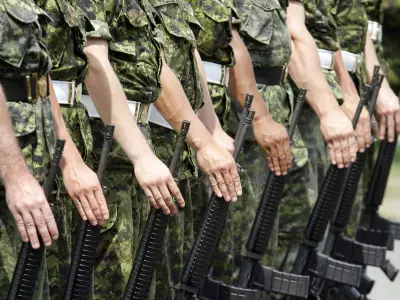
In a significant policy shift, the German government announced on Monday, November 17, 2025, its decision to resume weapons sales to Israel. This move ends a partial suspension on arms exports that had been in effect since August due to the conflict in Gaza.
Ceasefire and Aid as Key Conditions
The resumption of arms sales is not unconditional. A German government spokesperson explicitly stated that the decision is contingent upon the ongoing observance of the ceasefire between Israel and Hamas. Furthermore, the provision of humanitarian aid to Gaza must continue "on a large scale" and in an orderly manner. The suspension is officially set to be lifted on November 24, 2025, after which Berlin will return to assessing arms export requests on a case-by-case basis while closely monitoring the situation.
Historical Context and Domestic Pressure
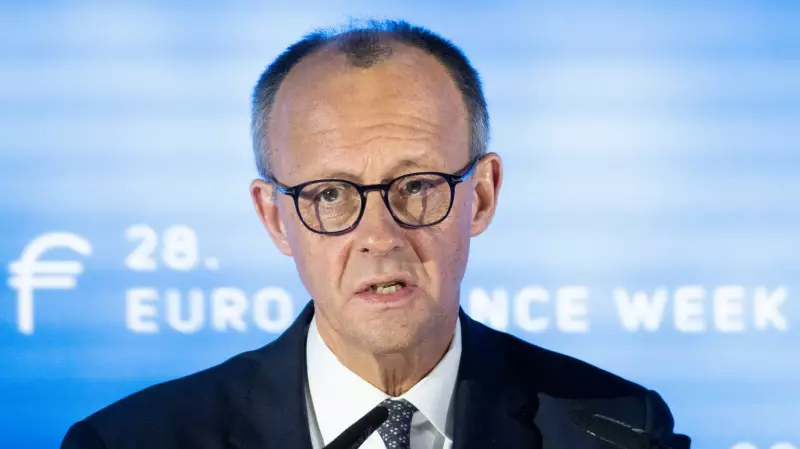
Germany is the second-largest arms exporter to Israel, trailing only the United States. Data from the Stockholm International Peace Research Institute reveals that Germany supplied 30% of Israel's major arms imports between 2019 and 2023, including advanced naval equipment like Sa’ar 6-class frigates. The initial suspension in August, which applied only to weapons that could be used in Gaza, was a response to mounting public pressure and Israel's plans at the time to expand its military operations. This decision had drawn criticism from within Chancellor Friedrich Merz's own conservative party.

The German policy of steadfast support for Israel, known as "Staatsraison" or "reason of state," is deeply rooted in historical guilt for the Nazi Holocaust. Despite this resumption of military trade, the German government reaffirmed its commitment to a lasting peace based on a two-state solution and pledged to support reconstruction efforts in Gaza.
International Reactions and Endorsements
The decision was met with approval from Israeli officials. Israeli Foreign Minister Gideon Saar praised Germany on social media platform X and called on other governments to follow its example. German Foreign Minister Johann Wadephul, whose ministry was involved in the deliberations, described the move as "responsible and correct," expressing optimism that the current ceasefire appears sustainable.