Gulf States Intensify Crackdown on Iranian Terror Networks Amid Regional Conflict
One of the most significant outcomes of the ongoing war with Iran has been the dramatically increased alertness and proactive measures taken by security agencies worldwide. These organizations have moved with determination to dismantle terror networks linked to the Islamic Republic, with recent operations in the United Arab Emirates serving as a prominent example. Authorities there successfully disrupted a clandestine cell accused of planning acts of sabotage and destabilization.
UAE Bears the Brunt of Iranian Aggression
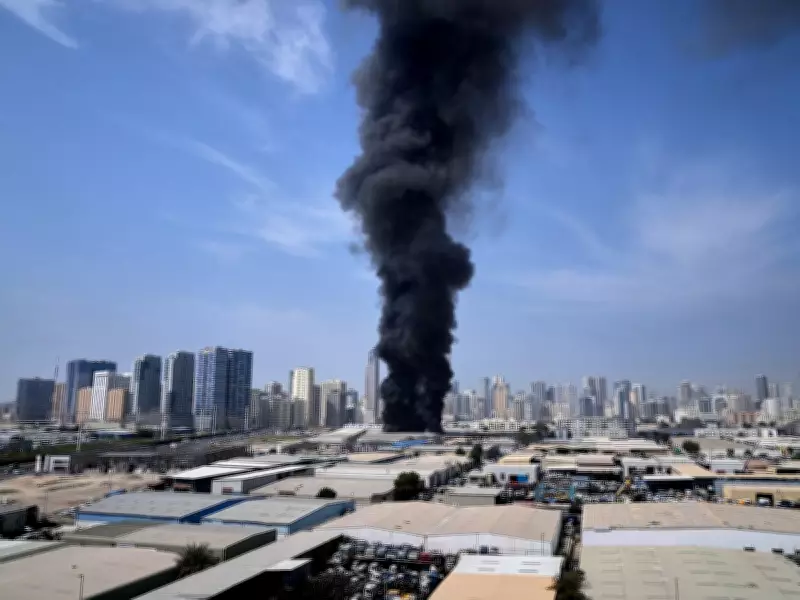
The United Arab Emirates has endured the heaviest impact from Iran's attacks throughout the conflict, facing more than 2,800 missiles and drones launched toward its territory. This number exceeds the attacks directed at any other Gulf state, including Israel. Official assessments reveal that over 90 percent of these strikes specifically targeted civilian infrastructure and economic centers rather than military installations, highlighting a strategy aimed at disrupting daily life and economic stability.
Within hours of arriving in the UAE, dramatic broadcasts captured sweeping security raids unfolding across the country. Local television channels showed scenes of intense coordination as 27 alleged members of a secret network were apprehended. Masked security forces conducted sudden operations, catching individuals off guard in their homes or ambushing them in vehicles on streets and in private garages. The coordinated crackdown appeared both sudden and decisive, with suspects being dragged out and handcuffed in carefully orchestrated maneuvers.

Evidence of Ideological Motivation
The camera footage revealed stacks of confiscated cash in multiple currencies, a small surveillance drone, and piles of books and propaganda materials. Among these items were posters featuring the image of Iran's leadership, most notably Ayatollah Ali Khamenei, who was assassinated in a U.S.-Israeli strike on the war's opening day. Authorities stated that the cell was actively recruiting operatives through secret meetings and was guided by the ideology of Wilayat al-Faqih, known as the Guardianship of the Jurist.
This Shiite Muslim doctrine places ultimate political and religious authority in the hands of a senior cleric, forming the foundation of Iran's governing model. Under this system, a supreme jurist is entrusted with leading the state and guiding society according to Islamic law. The cover of one confiscated Arabic book, titled The Shia Giant Has Emerged Out, remained prominently in the camera's frame, symbolizing the persistent undercurrent of Persian expansionist ambition.
Iran's Regional Proxy Strategy
This title evokes Iran's long-standing ideological project to export the Islamic Revolution beyond its borders, a vision that positions the majority-Shiite nation as extending its influence across the region. This expansion particularly targets the six Gulf nations, which are predominantly Sunni Muslim. Iran frequently portrays itself as a protector of Shiite communities while practically advancing its interests through an established network of allied armed groups across the Middle East.
Over decades, this network has included significant actors such as Hezbollah in Lebanon, Hamas in Gaza, the Houthis in Yemen, and various militias in Iraq. These groups are widely viewed as instruments of Tehran's broader regional strategy, often drawing neighboring states into cycles of instability and internal interference. During the conflict, it was revealed that nearly half of the approximately 1,000 drone attacks targeting Saudi Arabia and other Gulf states were launched from inside Iraq by Iran-backed proxy militias.
The heightened vigilance and decisive actions by Gulf security services represent a critical response to these persistent threats. As the war continues to unfold, the dismantling of terror cells remains a priority for regional stability, with the UAE's recent operations serving as a testament to the ongoing efforts to counter Iranian influence and protect civilian populations from further harm.