Iran Temporarily Closes Strait of Hormuz for Live-Fire Drills as New U.S. Talks Begin
In a move that underscores ongoing geopolitical tensions, Iran has announced the temporary closure of the Strait of Hormuz for live-fire military exercises. This development coincides with the start of new diplomatic negotiations between Iran and the United States, adding a layer of complexity to the already delicate international relations in the region.
Strategic Waterway Shutdown for Military Maneuvers
According to Iranian state television, the Strait of Hormuz will be closed for several hours to facilitate live-fire drills. The strait is a critical maritime chokepoint, through which approximately one-fifth of the world's oil supply passes. The temporary shutdown is expected to impact global shipping and energy markets, raising concerns about potential disruptions to international trade routes.
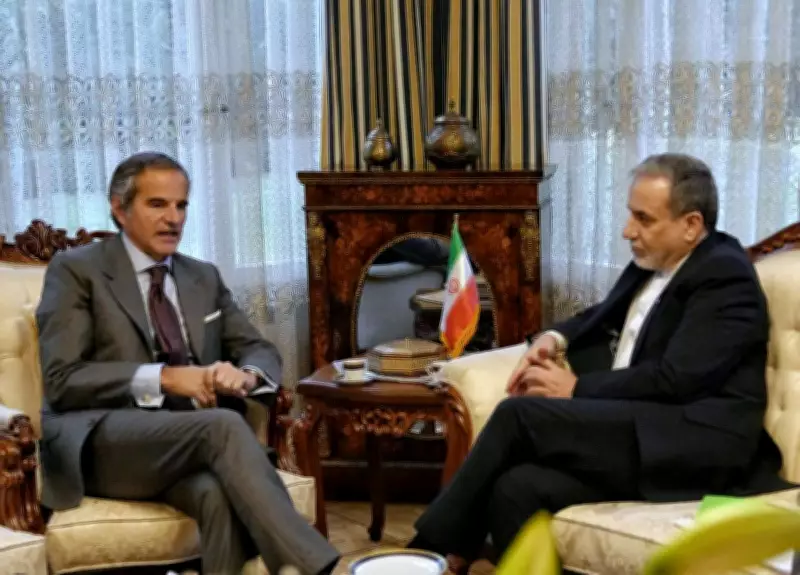
The timing of these military exercises is particularly significant, as they occur alongside renewed diplomatic engagements. Iranian Foreign Minister Abbas Araghchi recently met with International Atomic Energy Agency (IAEA) Director-General Rafael Grossi in Geneva, Switzerland, signaling efforts to address nuclear concerns and other bilateral issues.

Diplomatic Context and Regional Implications
The live-fire drills come as Iran and the United States embark on a new round of talks aimed at resolving longstanding disputes, including those related to nuclear proliferation and regional security. This juxtaposition of military posturing and diplomatic dialogue highlights the fragile nature of current relations. Analysts suggest that Iran may be using the drills as a show of strength to bolster its negotiating position, while also testing regional responses.
Historically, Iran has threatened to close the Strait of Hormuz in response to international sanctions or military threats, making this action a potent symbol of its strategic capabilities. The closure, though temporary, serves as a reminder of Iran's influence over vital energy corridors and its willingness to leverage this control in geopolitical standoffs.
Global Reactions and Economic Considerations
The announcement has prompted immediate attention from global observers and stakeholders. Key points of concern include:
- Impact on Oil Prices: Any disruption in the Strait of Hormuz can lead to volatility in global oil markets, affecting economies worldwide.
- Security in the Persian Gulf: The drills may escalate tensions with neighboring countries and international naval forces patrolling the area.
- Diplomatic Outcomes: The success of the ongoing U.S.-Iran talks could be influenced by such military demonstrations, potentially complicating efforts to reach agreements.
As the situation unfolds, the international community will be closely monitoring both the military exercises and the progress of diplomatic discussions. The closure of the Strait of Hormuz, even briefly, underscores the high stakes involved in Middle Eastern geopolitics and the interconnectedness of military actions and diplomatic initiatives.